America's First Great City Was Right Here — And We Somehow Forgot About It
America's First Great City Was Right Here — And We Somehow Forgot About It
Imagine standing on the eastern bank of the Mississippi River around the year 1100 AD. Spread out before you is a city — a real city, with neighborhoods, marketplaces, ceremonial plazas, and a central earthen pyramid so massive it still exists today. Tens of thousands of people live, trade, argue, celebrate, and build here. It is, by any reasonable measure, one of the most sophisticated urban centers on the planet at that moment in history.
Now ask yourself: why didn't anyone mention this in your history class?
The city was called Cahokia. And its story might be the most remarkable thing about American history that most Americans simply don't know.
A Metropolis on the Mississippi
At its peak — roughly between 1050 and 1200 AD — Cahokia sat near the confluence of the Missouri and Mississippi Rivers, in what is now Collinsville, Illinois, just a short drive from modern-day St. Louis. Archaeologists estimate its population reached somewhere between 15,000 and 20,000 people, possibly more. To put that in perspective, London at the same time had fewer than 15,000 residents. Paris was comparable. Cahokia wasn't some scattered village. It was a genuine pre-Columbian metropolis.
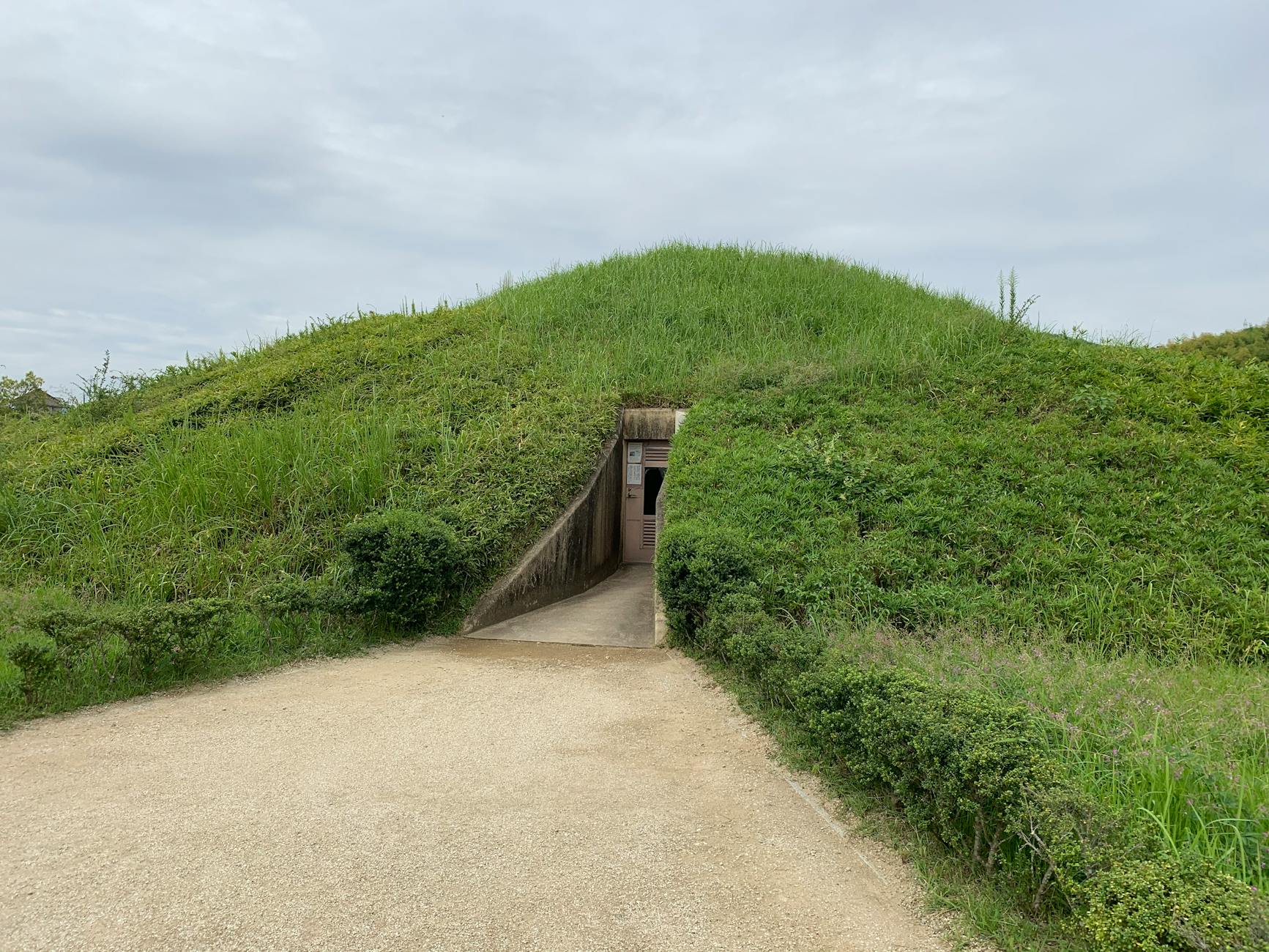
The city's most iconic feature — Monks Mound — still stands on the site today, a UNESCO World Heritage Site that most tourists drive past without a second glance. That mound covers more ground at its base than the Great Pyramid of Giza. It took generations of workers, hauling basket after basket of earth, to build it. At its summit, a large wooden structure served as the home of Cahokia's ruler, offering a commanding view of the entire city below.
Around the central plaza, hundreds of smaller mounds dotted the landscape — some used for burials, others for elite residences, others for ceremonies that archaeologists are still working to understand. The city had a wooden stockade, a Stonehenge-like circle of cedar posts (nicknamed "Woodhenge" by researchers) used to track the solar calendar, and neighborhoods organized in ways that suggest real urban planning.
Daily Life in the Heart of the Continent
So what was it actually like to live there?
Cahokia's residents were part of a culture archaeologists call Mississippian. They grew corn — a lot of it — along with squash and beans, farming the rich floodplain soil with impressive efficiency. They traded across enormous distances, with evidence of goods flowing in from the Gulf Coast, the Great Lakes, and the Appalachian Mountains. Shell beads, copper ornaments, exotic stones — Cahokia was a hub in a vast continental trade network.
The city also had a social hierarchy, and it wasn't always gentle. Archaeological excavations have uncovered mass burial sites, including one chilling find known as Mound 72, where over 250 people — mostly young women — appear to have been sacrificed as part of elite burial rituals. Power in Cahokia, like in many great ancient cities, came with a dark side.
Still, for the majority of residents, daily life was probably structured around farming seasons, community ceremonies, craft production, and the constant commerce of a busy trading city. Children grew up in a world of noise, color, and activity. It was, in every meaningful sense, civilization.
The Mystery of the Collapse
And then, somewhere around 1300 to 1400 AD, it all unraveled.
Cahokia didn't fall to conquest or invasion. It simply... emptied out. The population declined, the mounds were abandoned, and by the time European explorers began pushing into the interior of the continent, the great city was already a ghost. Theories about why it collapsed range from prolonged drought and agricultural exhaustion to political instability, disease, or resource depletion. Some researchers point to evidence of flooding. Others suggest internal social conflict tore the community apart.
The honest answer is that we still don't fully know. And that mystery is part of what makes Cahokia so haunting.
The Erasure From Our Story
Here's the part that should genuinely bother you: Cahokia isn't obscure because it's hard to find or poorly documented. It's obscure because for a very long time, the dominant narrative of American history began with European arrival. The idea of a "New World" implied an empty one — or at least a primitive one, populated by people who hadn't yet built anything worth remembering.
That framing was always wrong, and Cahokia is one of the most powerful pieces of evidence against it. This continent had cities. It had trade networks. It had political complexity, monumental architecture, and urban culture — centuries before the Mayflower.
The site is open to visitors today, and the on-site interpretive center does solid work telling the story. But it draws a fraction of the visitors that comparable ancient sites attract in other countries. A city that was once one of the largest on Earth now sits quietly beside an Illinois highway, largely ignored.
A Different Origin Story
Maybe the most useful thing Cahokia can do for us today is force a reset on how we think about this continent's past. "The New World" was never new. It was old, complex, and deeply inhabited. Cahokia didn't fail to become history — it was left out of the version of history we chose to tell.
The good news? That version can be updated. And it starts with knowing the name: Cahokia. Say it. Look it up. Maybe even make the drive out to Collinsville and stand at the base of that enormous mound.
Something extraordinary was built there. It deserves to be remembered.