Runways to Nowhere: The Vanishing Airfields Hiding Across America
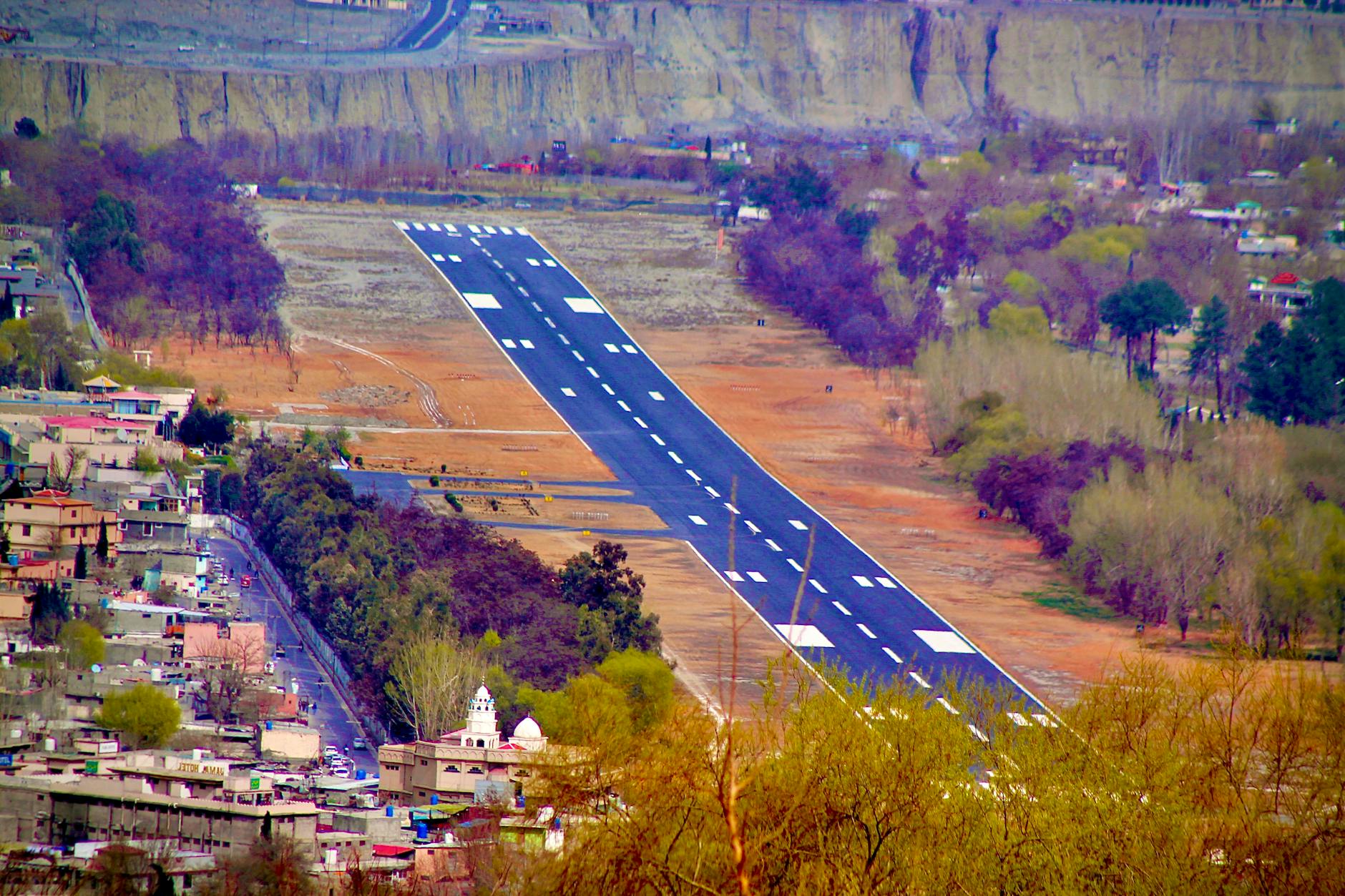
The Airport That Isn't There Anymore — Except It Kind Of Is
Open up Google Earth and zoom in on the outskirts of almost any mid-sized American city. Look past the subdivisions and the big-box retail corridors. Sometimes, if the light hits just right or the crops are at the right height, you'll catch it — a long, faint diagonal line cutting through an otherwise unremarkable field. A ghost. The outline of a runway that used to matter to somebody.
America is lousy with these places. The Federal Aviation Administration currently counts around 5,000 public-use airports in the country, but aviation researchers estimate that anywhere from 10,000 to 15,000 additional airfields have been abandoned since the early days of flight. They're not hidden in remote wilderness. Most of them are hiding in plain sight, buried under parking lots, nature preserves, suburban cul-de-sacs, and industrial parks. You've probably driven past one without knowing it.
Born in Wartime, Abandoned in Peace
The single biggest wave of airfield construction in American history happened fast and for urgent reasons. During World War II, the Army Air Forces needed to train pilots at a staggering pace, and they needed space to do it far from coastlines and enemy threats. Between 1940 and 1945, the federal government built or expanded more than 700 military air bases across the continental United States. Small towns that had never seen more than a crop duster suddenly found themselves hosting thousands of young men learning to fly B-17s and P-51s.
When the war ended, the logic that built those bases evaporated almost overnight. Thousands of trained pilots were coming home, not going out. The military didn't need the infrastructure anymore, and Congress wasn't in the mood to maintain it. Some bases converted to civilian airports. Others were handed to local governments, which often had no idea what to do with them. Plenty were simply left to decay.
Lexington Army Air Base in Kentucky, Thunderbird Field in Arizona, Avenger Field in Texas — these names meant something once. Avenger Field was the only all-female military air base in American history, home to the Women Airforce Service Pilots (WASPs). Today the site near Sweetwater, Texas, still has a functioning small airport, but the history of what happened there is barely marked.
The Early Commercial Hubs That Never Quite Flew
World War II wasn't the only culprit. In the 1920s and 1930s, dozens of cities rushed to build airports because aviation was the future and nobody wanted to be left behind. The problem was that the technology was still figuring itself out, and so were the economics.
Glendale Airport in California was once one of the busiest airports in the American West. Amelia Earhart flew out of it. Howard Hughes used it. For a brief window in the late 1920s, it was genuinely glamorous — a place where you might spot a movie star boarding a plane. Then Los Angeles grew, better-funded airports opened nearby, and Glendale slowly faded. It closed in 1959. A chunk of it is now a public park where locals walk their dogs, mostly unaware that they're strolling across what used to be one of Hollywood's favorite runways.
This pattern repeated itself in city after city. An early airport would serve a community for a decade or two, then get outcompeted, outgrown, or simply absorbed by the expanding city around it. The land was too valuable to leave alone, and the history was too obscure to fight for.
The People Trying to Remember
Here's where it gets genuinely heartening. There's a loose, passionate community of aviation historians, amateur researchers, and aerial archaeology enthusiasts who have made it their mission to document these lost fields before the last physical evidence disappears. Websites like AirNav and the Abandoned & Little-Known Airfields project (run for years by researcher Paul Freeman before his death) have catalogued thousands of forgotten sites with old aerial photos, historical records, and firsthand accounts from people who actually flew from them.
These researchers do something that feels almost archaeological. They compare current satellite imagery against historical aeronautical charts from the 1940s and 1950s, looking for alignments that don't make sense unless you know what used to be there. A road that bends at an odd angle. A neighborhood where all the streets run at 45 degrees to the surrounding grid. A farm field with a suspiciously straight drainage ditch. These are the fingerprints of runways.
Some communities have started to engage with this history in interesting ways. In parts of the Midwest, local historical societies have installed small markers near former airfield sites. A few decommissioned bases have become recreational trails, and the old runway surfaces make for unusually smooth bike paths.
Why It Still Matters
You might reasonably ask why any of this is worth digging up. Airports close. Cities change. That's just how things work.
But there's something worth sitting with here. These airfields were often the most exciting thing that had ever happened to the towns around them. They represented a specific, optimistic idea about the future — that flight would connect everyone, that even a small American community deserved a window to the sky. When the airports closed, that idea closed with them. The towns didn't necessarily decline, but something specific was lost.
And for the aviation buffs who spend their weekends squinting at satellite maps, there's a more practical urgency. Every year, more physical evidence disappears under new construction. The concrete gets broken up and hauled away. The old hangars get demolished. Once that happens, the only record left is a line on an old map and a few grainy photographs.
Somewhere near you, there's probably a ghost runway waiting to be found. All you have to do is look.