The Lost Art of the American Siesta: How We Convinced Ourselves That Exhaustion Was Virtue
When Doctors Prescribed Naps
In 1847, Dr. William Sweetser published "Mental Hygiene," a medical guide that would influence American health practices for decades. Among his recommendations: every adult should take a midday rest lasting 30 to 60 minutes. This wasn't lifestyle advice — it was medical prescription, backed by the era's leading physicians and widely accepted as essential for maintaining both physical and mental health.
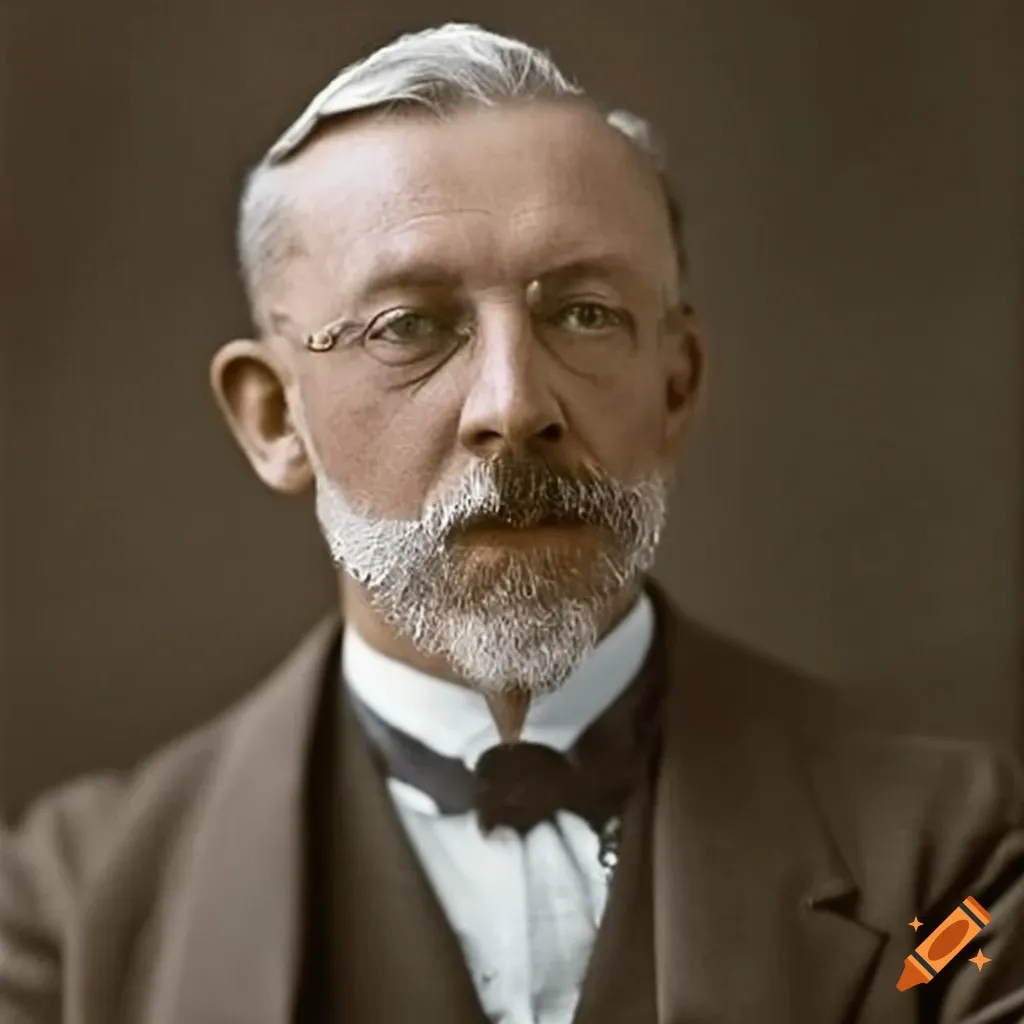 Photo: Dr. William Sweetser, via pics.craiyon.com
Sweetser wasn't alone. Medical journals of the mid-1800s regularly featured articles about the therapeutic benefits of afternoon rest. The American Journal of Medical Sciences published studies showing that workers who took midday breaks had fewer accidents, better digestion, and improved cognitive function. The midday rest wasn't considered laziness — it was preventive medicine.
America's Forgotten Nap Infrastructure
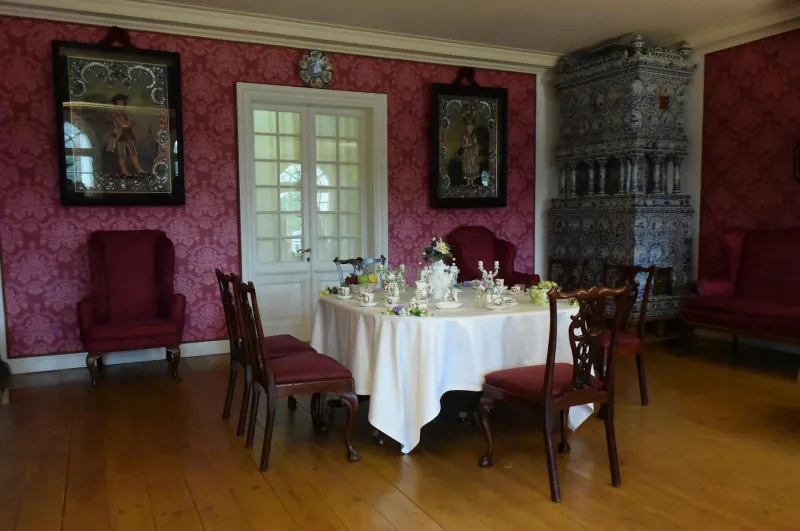
Walk through any major American city built before 1900, and you'll find architectural evidence of our lost napping culture. Hotels featured "rest parlors" — quiet rooms with comfortable chairs where guests could take afternoon breaks. Office buildings included "retiring rooms" where workers could escape for brief rests. Even factories had designated spaces where employees could rest during the hottest part of the day.
The Boston Custom House, completed in 1847, included a "repose room" on every floor. The building's architect, Ammi Burnham Young, considered afternoon rest so essential that he designed these spaces with the same care as conference rooms or offices. Similar rooms appeared in government buildings, banks, and commercial establishments across the country.
 Photo: Boston Custom House, via live.staticflickr.com
Private homes built during this era often featured "morning rooms" and "afternoon rooms" — spaces specifically designed for different parts of the day's rhythm. The afternoon room was typically positioned to avoid direct sunlight and furnished with comfortable seating that encouraged rest rather than activity.
The Science They Got Right
Nineteenth-century physicians didn't understand circadian rhythms or sleep cycles, but their observations about midday rest aligned remarkably well with modern sleep science. They noticed that most people experienced an energy dip in the early afternoon, regardless of how much sleep they'd gotten the night before.
Dr. Edward Jarvis, a prominent Boston physician, documented this pattern in hundreds of patients during the 1850s. His notes, preserved in the Harvard Medical Library, show that he tracked alertness, mood, and physical symptoms throughout the day. His conclusion: the human body naturally craved rest between 1 and 3 PM, and fighting this urge led to decreased performance and increased illness.
Modern research has vindicated these observations. Scientists now know that humans have a biological predisposition to feel sleepy in the early afternoon, driven by the same circadian mechanisms that regulate nighttime sleep. Countries that maintained siesta traditions show lower rates of heart disease and stress-related illness.
The Protestant Work Ethic Strikes Back
The cultural shift away from midday rest began in the 1870s and accelerated through the early 1900s. Industrialization demanded workers who could maintain consistent productivity throughout long shifts. The Protestant work ethic, which had always valued labor as a moral good, began to view any form of rest during working hours as a character flaw.
Religious leaders played a crucial role in this transformation. Presbyterian minister Henry Ward Beecher, one of the most influential voices of his era, preached that afternoon rest was "an indulgence that weakens the spirit and corrupts the soul." His sermons, widely published in newspapers, helped reframe the midday break as a moral failing rather than a health practice.
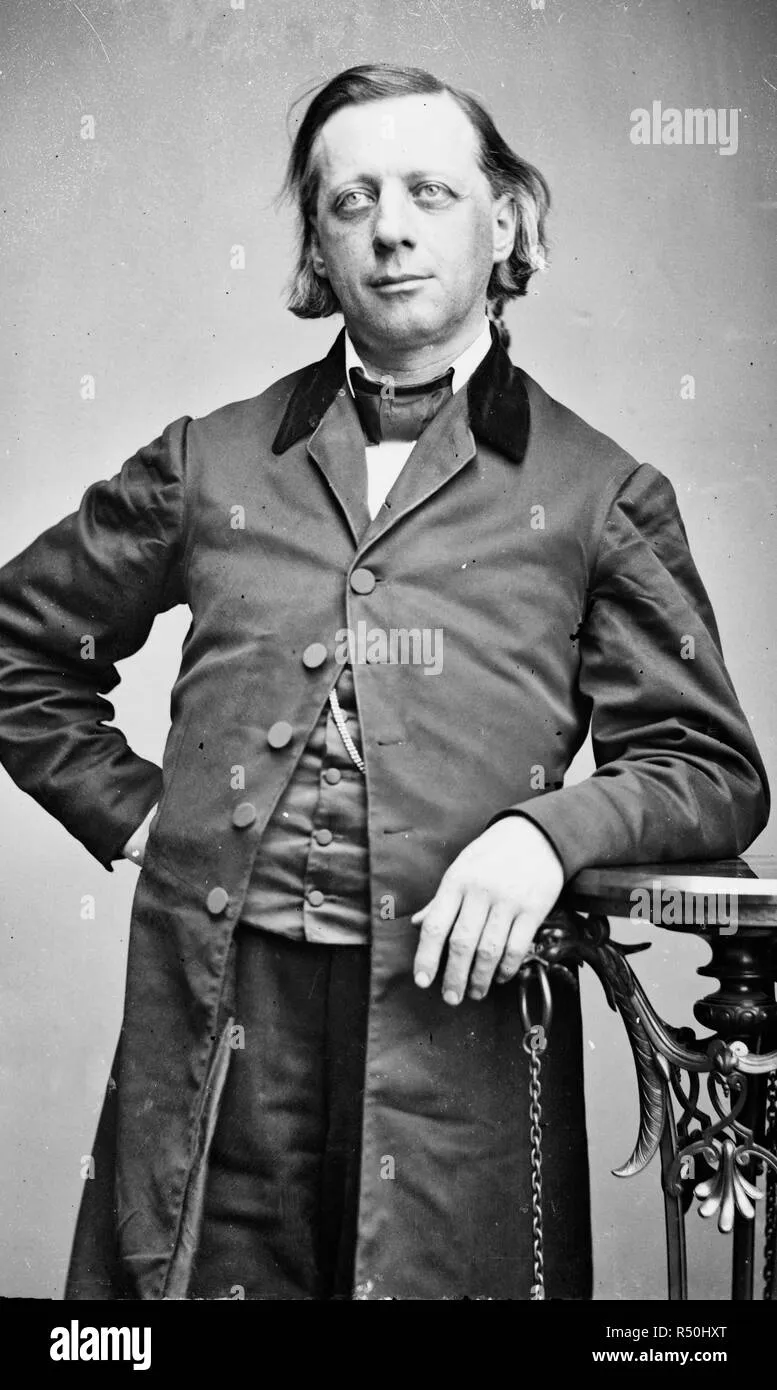 Photo: Henry Ward Beecher, via c8.alamy.com
Business leaders embraced this message enthusiastically. Andrew Carnegie, the steel magnate, banned rest periods in his factories and praised workers who could maintain peak performance throughout their shifts. "The man who needs a nap," Carnegie wrote in 1889, "lacks the vigor necessary for American success."
When Efficiency Became Everything
The early 20th century brought scientific management theories that treated workers like machines to be optimized. Frederick Winslow Taylor, the father of industrial efficiency, conducted time-and-motion studies that eliminated "wasted" moments from the workday. Rest periods were seen as inefficiencies to be engineered away.
Taylor's disciples spread across American industry, redesigning workflows to maximize continuous productivity. The idea that humans might have natural rhythms requiring accommodation was dismissed as pre-modern thinking. The new ideal was the worker who could maintain consistent output from morning to evening.
World War I accelerated these changes. "Continuous production for victory" became a patriotic duty. Taking breaks, even brief ones, was reframed as unpatriotic. Government propaganda posters urged workers to "Keep Going" and "Never Rest Until Victory."
The Architecture of Constant Motion
As napping culture disappeared, so did the spaces designed to support it. Office buildings constructed after 1910 rarely included rest areas. The few that remained were repurposed as storage rooms or additional workspace. Hotels eliminated their rest parlors, replacing them with lobbies designed to encourage activity rather than relaxation.
Even private homes reflected the changing attitude toward rest. The afternoon rooms that had been standard features of Victorian houses disappeared from new construction. The entire concept of spaces designed for different parts of the day was abandoned in favor of multipurpose rooms that could serve any function at any time.
What Modern Science Says We Lost
Today's sleep researchers argue that America made a costly mistake when it eliminated the midday rest. Studies show that a 20-30 minute afternoon nap can improve alertness, creativity, and mood while reducing stress hormones and cardiovascular strain.
NASA research on pilot fatigue found that a brief afternoon rest improved performance by 34% and alertness by 100%. Google, Nike, and other forward-thinking companies have installed nap pods in their offices, recognizing that well-rested employees are more productive than exhausted ones.
Dr. Sara Mednick, a sleep researcher at UC Riverside, argues that the afternoon energy dip isn't a flaw to be overcome — it's a biological signal that we've been trained to ignore. "We've created a culture that fights against our natural rhythms," she explains. "Then we wonder why everyone is chronically tired and stressed."
The Countries That Kept the Wisdom
While America abandoned its napping culture, other societies maintained theirs. Spain's siesta tradition, Italy's riposo, and China's wushui demonstrate that modern economies can accommodate human biology. These countries show lower rates of cardiovascular disease and report higher levels of life satisfaction.
Interestingly, some of these nations are now abandoning their rest traditions in favor of American-style continuous productivity. Spain has largely eliminated the siesta in major cities, and young Chinese workers increasingly skip wushui to demonstrate dedication to their jobs.
The Quiet Revival
A small but growing movement is working to restore rest to American culture. Some companies now offer "recharge rooms" where employees can take brief naps. Universities have installed nap pods during finals week. A few progressive schools have added rest periods to their daily schedules.
These efforts face resistance from the same cultural forces that eliminated napping a century ago. Rest is still widely viewed as laziness, despite mounting scientific evidence of its benefits. The challenge isn't proving that midday rest improves performance — it's overcoming the moral judgment that labels any daytime rest as weakness.
Rediscovering What We Knew
America's lost napping culture offers a fascinating example of how societies can collectively forget useful knowledge. For most of human history, people have recognized the value of midday rest. Only in the past century have we convinced ourselves that fighting our natural rhythms makes us more productive.
The irony is that our ancestors' "primitive" understanding of human needs was more sophisticated than our modern approach. They built rest into their daily schedules, their architecture, and their cultural expectations. We've spent the last hundred years learning what they already knew: sometimes the most productive thing you can do is close your eyes for twenty minutes and let your brain recharge.
Perhaps it's time to admit that the Victorians got something right that we got wrong. The next time you feel that familiar afternoon slump, remember that you're not being lazy — you're experiencing a biological signal that humans successfully honored for thousands of years, until we talked ourselves out of listening.