Kitchen Chemists: The Depression-Era Women Who Built a Shadow Healthcare System from Scratch
The Doctor Wasn't Coming
In 1932, the average American family was spending about 35 percent less than they had just three years earlier. Meat disappeared from dinner tables. Shoes got cardboard soles. And doctors — well, doctors were for people who still had money.
What filled the gap wasn't nothing. It was women. Specifically, it was a vast, completely informal, entirely undocumented network of homemakers, grandmothers, immigrant mothers, and farm wives who had been quietly maintaining medical knowledge that mainstream medicine had spent decades trying to replace with prescription pads and hospital visits.
They weren't witches. They weren't quacks. They were practical people solving a real problem — and the system they built was more sophisticated than almost anyone has bothered to acknowledge.
The Pantry as Dispensary
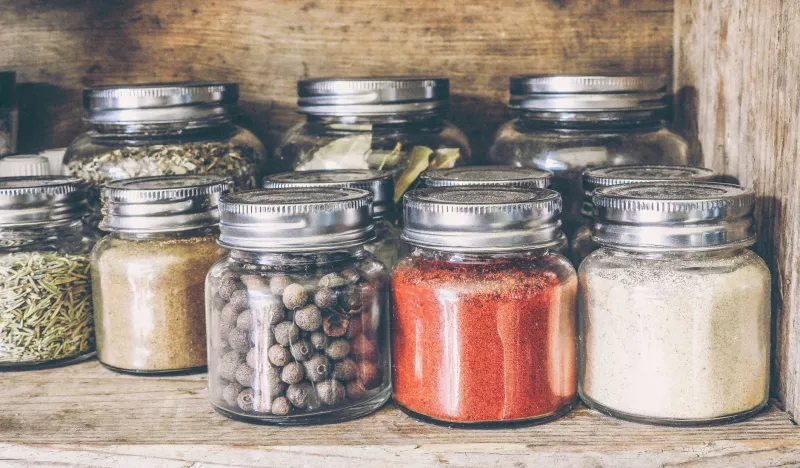
Walk into a well-stocked Depression-era kitchen and you'd find things that looked, to modern eyes, more like an apothecary than a cooking space. Elderberries dried in paper bags. Jars of apple cider vinegar with the mother still cloudy at the bottom. Bundles of echinacea hanging from ceiling hooks. Tins of rendered lard mixed with camphor for chest rubs. Comfrey leaves packed in beeswax.
These weren't decorative. They were functional. Women were treating ear infections with warm garlic oil, managing respiratory illness with mullein tea, addressing skin infections with poultices made from plantain leaves — the broad-leafed weed that still grows in every American backyard and that almost nobody recognizes anymore.
The knowledge behind these remedies didn't come from books. It traveled through conversation. Neighbor to neighbor, mother to daughter, across back fences and church basements and the kind of long afternoon visits that happened when nobody had money to go anywhere. Recipes got traded like currency. A woman who knew how to make a reliable fever reducer from willow bark and elderflower was a valued community asset.
The Trading Networks Nobody Mapped
What made this more than just individual folk wisdom was the way it organized itself without anyone formally organizing it.
In immigrant neighborhoods — Italian communities in Chicago, Polish enclaves in Detroit, Mexican families throughout the Southwest — women were maintaining remedies that had traveled thousands of miles from their countries of origin. These weren't just family recipes. They represented centuries of accumulated observation about which plants worked and which didn't.
The trading happened at church socials, at the edges of school pickup lines, through the informal economy of preserved goods that women were already running. You gave someone a jar of your elderberry syrup; they gave you a cutting of their lemon balm plant. No money changed hands. No records were kept. The system was invisible precisely because it operated through relationships rather than transactions.
Some women became known specialists. The lady on Elm Street who always had something for croup. The grandmother three blocks over whose poultice cleared up infections that had stumped the county nurse. These reputations were real, earned, and entirely off the books.
What Pharmaceutical History Chose to Skip
Here's where it gets interesting. Many of the compounds these women were using have since been validated — sometimes extensively — by modern research. Elderberry's antiviral properties are now the subject of serious clinical study. Echinacea is one of the most researched herbal supplements in the world. The salicylic acid in willow bark is the direct chemical ancestor of aspirin, which Bayer had been selling since 1899 while rural women were brewing the same molecule in their kitchens.
But pharmaceutical history largely skips over the folk tradition that preserved these compounds through the lean years. The story that gets told is one of laboratory discovery — scientists isolating active ingredients, companies scaling production, modern medicine marching forward. The women who kept the underlying knowledge alive while formal medicine was out of reach don't appear in that story.
There's a reason for that, and it's not purely accidental. Professionalizing medicine in the early twentieth century required, among other things, delegitimizing the alternatives. The campaign against "domestic medicine" and "kitchen cures" was partly about safety, but it was also about market capture. Women who could treat their families at home were not buying products.
The Quiet Comeback
Walk through any natural grocery store today and you'll find elderberry gummies, echinacea tinctures, fire cider (apple cider vinegar with horseradish and garlic — a Depression-era staple), adaptogenic herb blends, and comfrey-based skin preparations. The wellness industry has turned these remedies into a multi-billion-dollar market.
What's rarely acknowledged is that the reason these products exist — the reason the knowledge survived at all — is largely because women in the 1930s refused to let it die. They kept the plants growing. They kept the recipes circulating. They kept treating their families when the formal system had nothing to offer them.
Some of those women are still alive. More often, their granddaughters are the ones now running small herbal businesses, writing about traditional remedies, or quietly growing the same plants their grandmothers grew in the same backyard plots.
The Knowledge That Outlasted the Crisis
The Depression eventually ended. Access to formal healthcare slowly expanded. The kitchen pharmacies got smaller, then mostly disappeared — at least visibly.
But the knowledge didn't vanish. It went underground in a different way, passed through families that kept growing elderberries in the backyard without quite knowing why, that still made the chest rub from the old recipe even after Vicks was available at every drugstore.
What those women built during the worst economic collapse in American history wasn't just a survival mechanism. It was an archive. A living, breathing, plant-based archive of medical knowledge that the formal system had tried to retire and that a generation of determined, practical, largely uncelebrated women refused to surrender.
Next time someone dismisses herbal remedies as trendy or unscientific, it's worth remembering: somebody's grandmother already ran the clinical trial. She just didn't publish the results.