The Seed Keepers: How America's Underground Gardeners Rescued Food From Corporate Agriculture
The Last Tomato
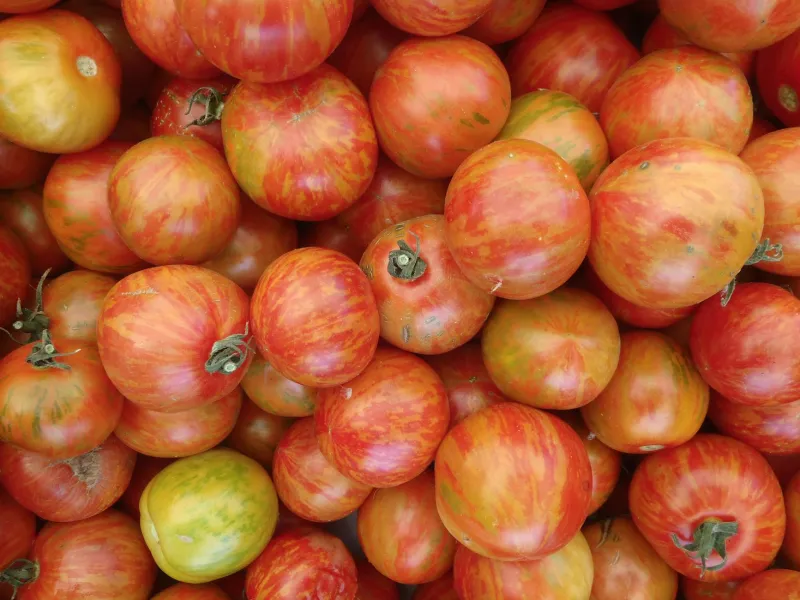
In 1983, Marilyn Zeller found herself holding what might have been the last Cherokee Purple tomato in America. The seed packet, yellowed and brittle, had been tucked inside her grandmother's recipe box for decades. Commercial seed companies had long since stopped selling this dusky, sweet variety — too ugly for supermarket shelves, they said. Too unpredictable for industrial farming.
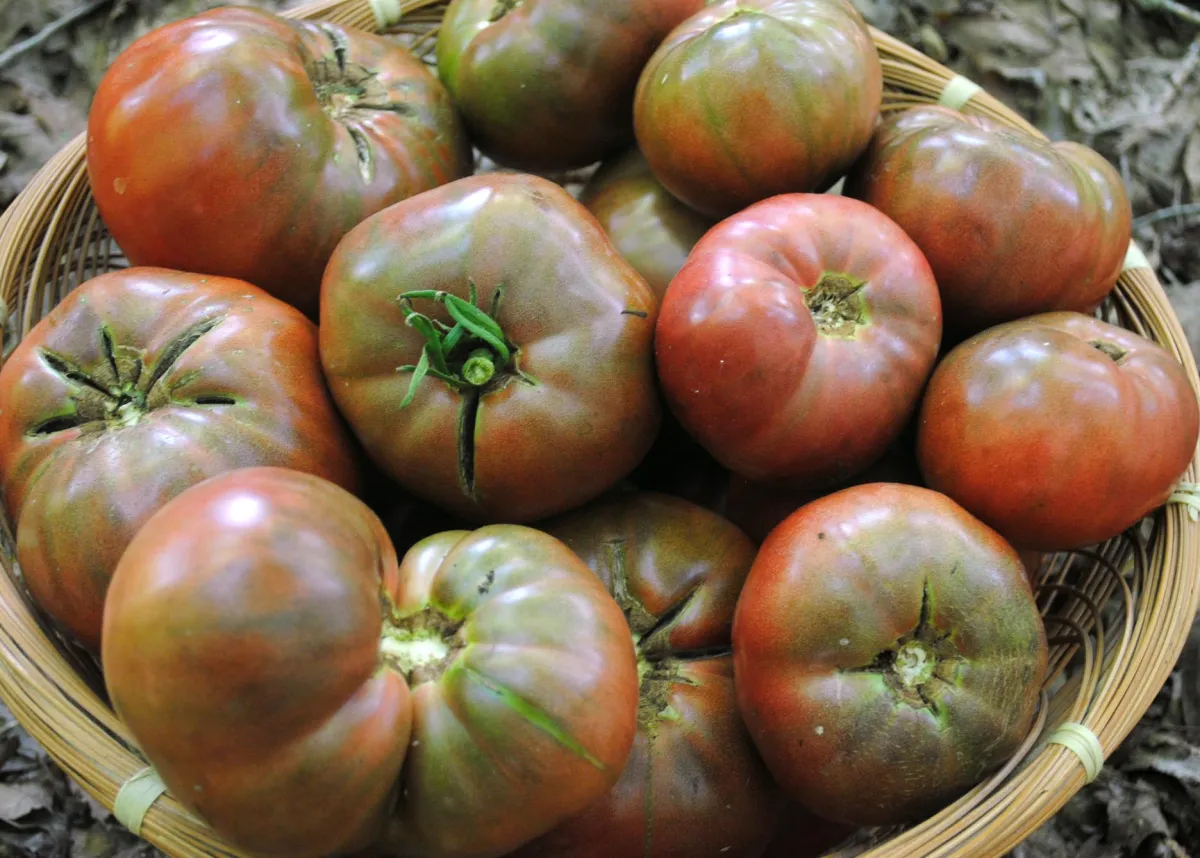 Photo: Cherokee Purple tomato, via www.southernexposure.com
Zeller planted those ancient seeds anyway. What grew changed everything she thought she knew about American food.
The Great Flavor Robbery
Somewhere between 1900 and 1980, American agriculture pulled off one of the most successful disappearing acts in history. Thousands of food varieties simply vanished from the national menu. The Mortgage Lifter tomato, so named because Depression-era farmers could pay off their homes selling just one crop. Glass Gem corn, with kernels that looked like stained glass windows. The Moon and Stars watermelon, speckled yellow against deep green skin.
These weren't exotic imports or laboratory creations. They were American varieties, bred by American farmers over generations. But as industrial agriculture standardized production around a handful of profitable crops, diversity became liability. Why grow fifty types of beans when three would feed the masses?
By 1980, the United States had lost an estimated 90% of its agricultural diversity. The average supermarket carried produce from fewer than a dozen crop varieties. America's table had never been more abundant — or more monotonous.
The Quiet Resistance
But in basements and backyard sheds across the country, a different story was unfolding. Amateur botanists, rural grandmothers, and stubborn gardeners were conducting their own preservation project, one seed at a time.
They called themselves seed savers, though most never used that term. They were simply people who couldn't bear to let good food disappear. In Iowa, Diane Ott Whealy started collecting heirloom varieties after her grandfather's German immigrant seeds proved impossible to replace in stores. In Georgia, Will Bonsall began hoarding bean varieties with the obsession of a stamp collector.
These weren't trained scientists or agricultural experts. They were ordinary Americans who understood something that agribusiness had forgotten: diversity isn't just beautiful — it's insurance.
The Underground Library System
By the 1990s, the seed-saving movement had evolved into something remarkable: an underground library system for food. Community seed libraries began appearing in towns across America, operating out of library basements, community centers, and church fellowship halls.
The concept was brilliantly simple. Gardeners would "check out" seeds in spring, grow the plants, harvest new seeds in fall, and "return" them to the library — usually with interest. A single packet of beans might become dozens. One tomato could yield hundreds of seeds.
These libraries preserved more than genetics. They maintained stories. The Radiator Charlie's Mortgage Lifter tomato came with the tale of Charlie Byles, a West Virginia mechanic who bred it during the Depression. Cherokee Purple tomatoes carried the oral history of Cherokee farmers who developed them before the Trail of Tears.
The Flavors We Almost Lost
Today, heirloom varieties have become trendy again. Farmers markets overflow with Rainbow Carrots and Dragon Tongue beans. But this revival almost never happened. Without the seed savers, these flavors would have vanished entirely.
Consider the Brandywine tomato, now a farmer's market darling. In 1982, it existed in exactly one place: the garden of an elderly Amish man in Chester County, Pennsylvania. A single gardener's dedication saved an entire variety from extinction.
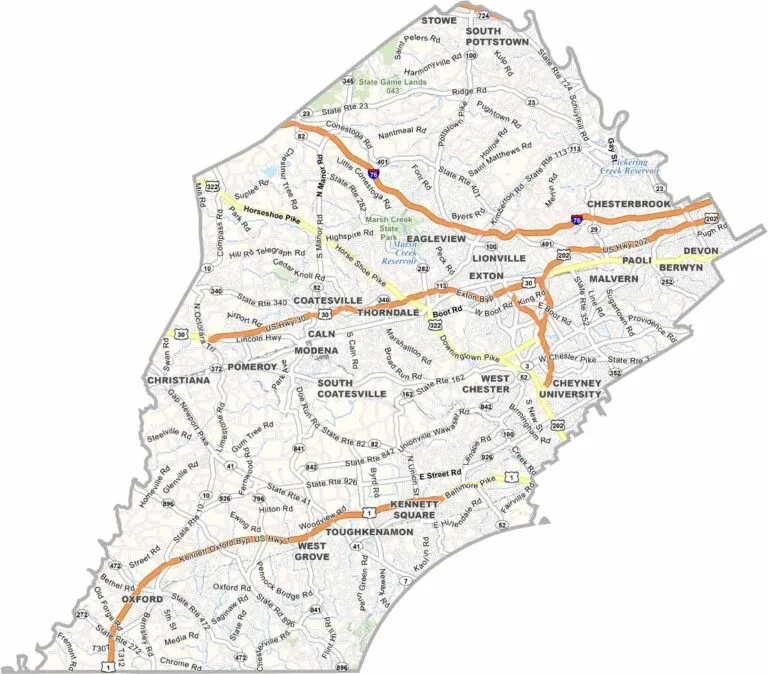 Photo: Chester County, Pennsylvania, via uscountymaps.com
Or the Turkey Red wheat that built Kansas. By 1950, it had been completely replaced by modern varieties. Today, it survives only because a few farmers kept growing it in defiance of agricultural trends.
The Modern Seed Underground
The seed library movement continues today, though it faces new challenges. Some states have attempted to regulate seed sharing, citing food safety concerns. Corporate agriculture has developed patented seeds that legally cannot be saved or shared.
But the seed savers persist. The Hudson Valley Seed Company operates like a distributed library, with hundreds of growers maintaining varieties across New York State. The Southern Exposure Seed Exchange preserves crops suited to Southern climates that commercial companies ignore.
These modern seed keepers understand what their predecessors knew instinctively: the future of food depends on the diversity we save today.
The Table We Saved
The next time you bite into a Cherokee Purple tomato or Glass Gem corn, remember the quiet heroes who saved it. They weren't trying to make a statement about corporate agriculture or start a food revolution. They were simply unwilling to let good things disappear.
In a world increasingly dominated by standardization and efficiency, the seed savers remind us that some things are worth preserving simply because they're beautiful, delicious, or irreplaceable. They prove that sometimes the most important work happens not in boardrooms or laboratories, but in backyard gardens and basement storage rooms.
American agriculture may have chosen efficiency over diversity, but thanks to the seed keepers, we didn't have to lose our flavors forever.