When the Store Came to You: America's Lost Fleet of Floating Merchants
The Merchant Who Never Touched Land
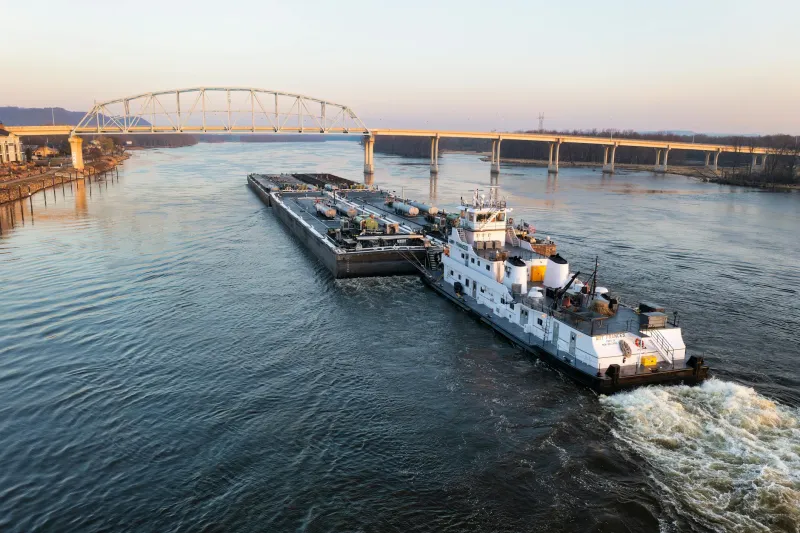
Captain Ezra Whitman hadn't set foot in a traditional store in thirty years. From 1890 to 1920, he piloted the River Queen up and down the Tennessee River, carrying everything a frontier family might need: flour, sugar, fabric, tools, patent medicines, and even coffins. His floating general store served dozens of isolated farming communities that existed beyond the reach of roads, railroads, or regular commerce.
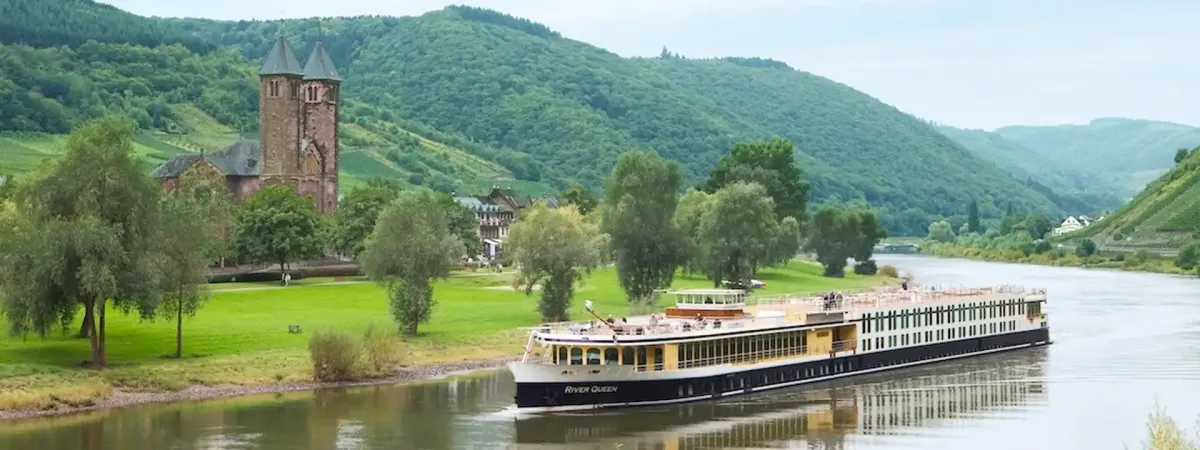 Photo: River Queen, via www.bluesuncruises.com.au
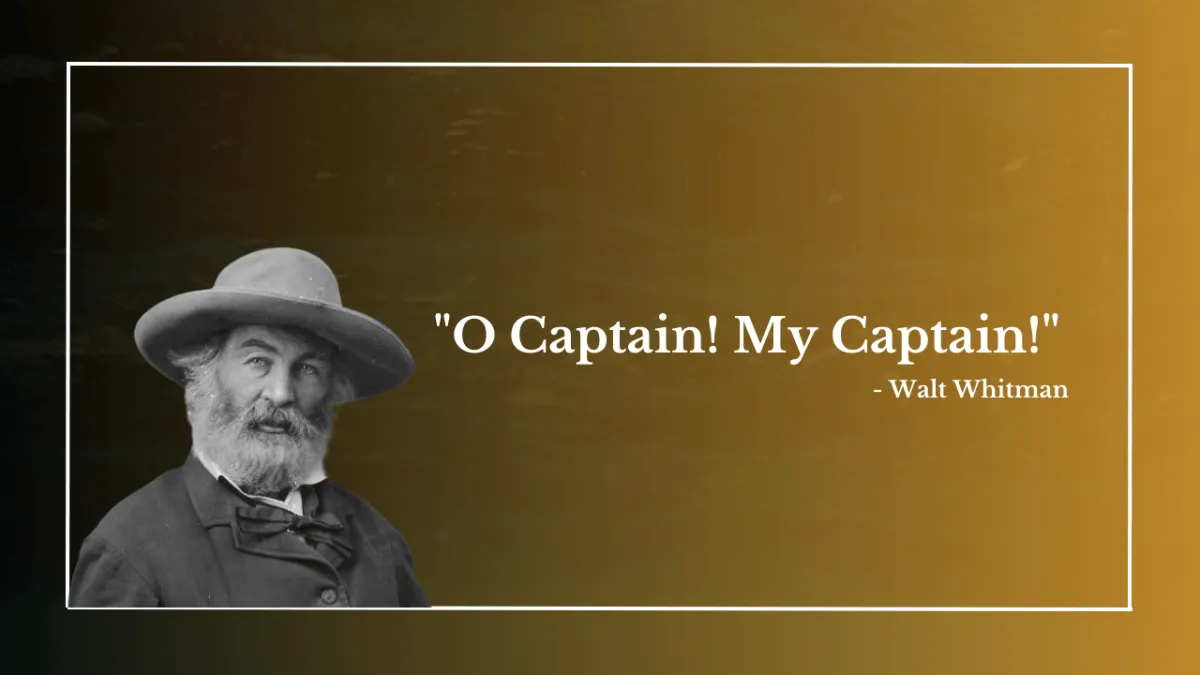 Photo: Captain Ezra Whitman, via www.ourcreativeinfo.in
Whitman's customers paid with whatever they had — cash when available, but more often with eggs, corn, handmade goods, or promises to settle up after the next harvest. His ledger books, discovered in a Memphis attic in 1987, reveal a complex barter economy that thrived entirely on America's waterways.
When Rivers Were Main Street
Before the automobile age, America's rivers served as the primary highways for much of the country. While historians focus on the famous steamboats that carried passengers and bulk cargo, a parallel fleet of smaller vessels created an entirely different kind of commerce: floating stores that brought retail directly to customers who had no other options.
These boat peddlers operated on nearly every navigable waterway in America. The Mississippi River system supported the largest fleet, but floating merchants also worked the bayous of Louisiana, the rivers of Appalachia, the Great Lakes, and even the smaller streams of New England.
Unlike their land-based counterparts, these merchants couldn't rely on foot traffic or advertising. Success depended on building relationships with customers scattered across hundreds of miles of waterway, learning each family's needs, and timing arrivals with the rhythms of rural life.
The Floating Department Store
The Merchant's Friend, which operated on the Ohio River from 1885 to 1935, was essentially a department store crammed onto a 60-foot barge. The boat's owner, Samuel Morrison, had divided the vessel into specialized sections: dry goods in the bow, tools and hardware in the middle, and a small pharmacy in the stern.
Morrison's innovation was his credit system. He issued small metal tokens to reliable customers, allowing them to "shop" even when they couldn't pay immediately. The tokens were redeemed during harvest season or when families sold livestock. This floating credit union kept entire communities supplied during lean months.
The boat also served as a communication hub. Morrison carried mail between isolated settlements, delivered messages from relatives in distant towns, and spread news about everything from crop prices to political developments. In many ways, he functioned as the internet of his era — connecting scattered communities to the wider world.
The Social Life of Water Commerce
These floating stores created their own social rituals. Families would gather at riverside landings when the merchant boat's horn announced its arrival. Children who rarely saw outsiders would crowd the docks to watch the boat unload. Women would catch up on news while examining fabric and household goods. Men would discuss farming techniques and weather while browsing tools.
Some boat merchants became matchmakers, introducing young people from different river communities. Others served as informal banks, holding money and valuables for customers who had no access to traditional financial institutions.
The Bayou Belle, which worked Louisiana's Atchafalaya Basin from 1900 to 1940, even carried a small library. Captain Marie Boudreaux, one of the few women to operate a floating store, believed that isolated families needed books as much as they needed supplies. She charged nothing for book loans but asked customers to contribute stories about their lives, which she recorded in journals that became invaluable historical documents.
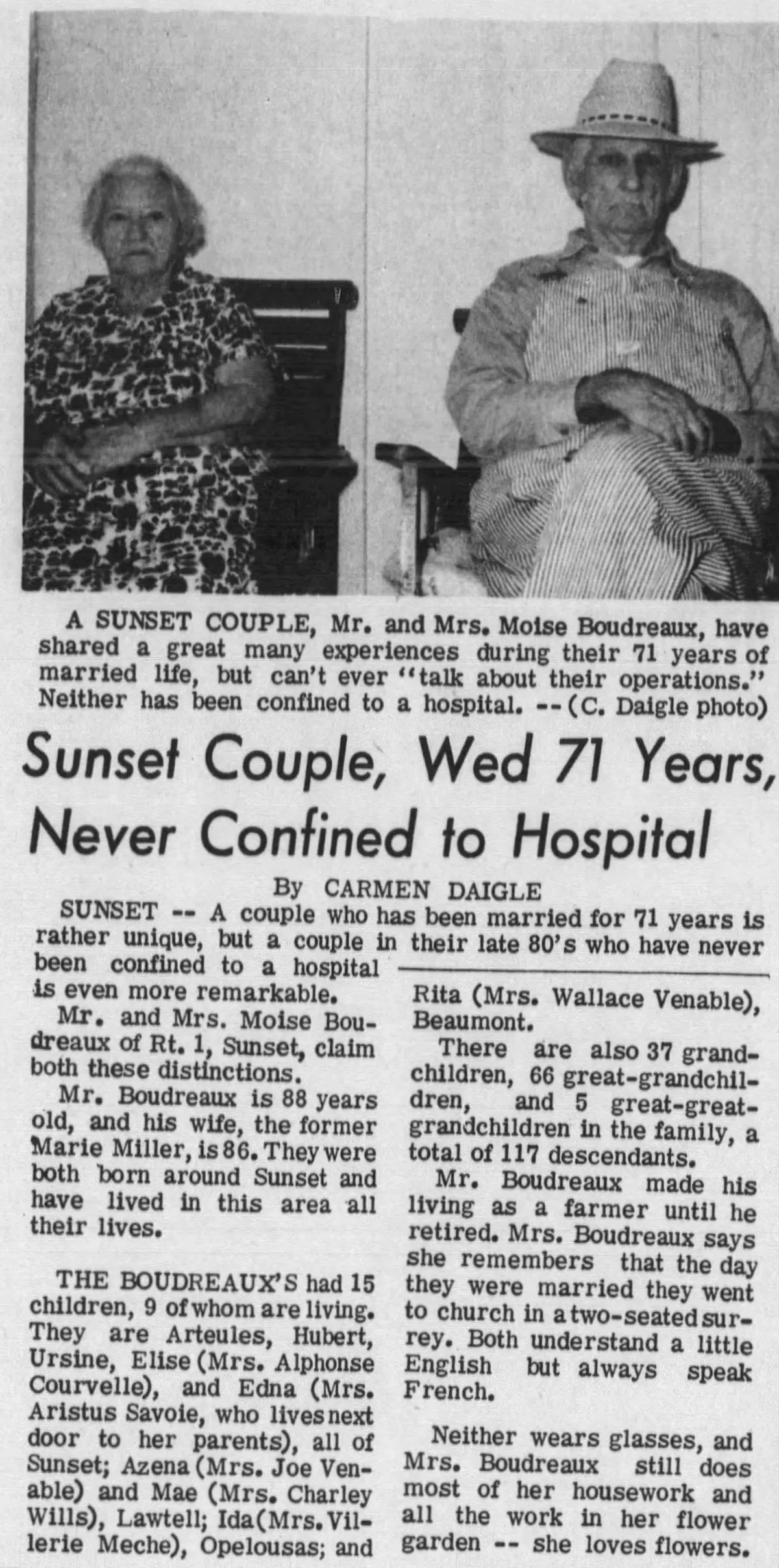 Photo: Captain Marie Boudreaux, via images.findagrave.com
The Economics of Isolation
Floating merchants filled a crucial gap in America's developing economy. While railroads connected major cities and towns, vast rural areas remained economically isolated. A farming family might be only fifty miles from a major commercial center, but if that fifty miles included rivers, swamps, or mountains, it might as well have been five hundred.
These boat peddlers created micro-economies that operated on entirely different principles than urban commerce. Prices fluctuated based on seasonal demand and transportation challenges. A bag of flour might cost twice as much during spring floods when river navigation became dangerous. Conversely, fresh produce from isolated gardens could command premium prices when delivered to river towns.
The merchants also had to become experts in local agriculture and seasonal patterns. They knew when tobacco farmers would have cash, when fruit orchards would produce surplus crops, and when fishing communities would need extra supplies for the busy season.
Technology Killed the Water Store
The decline of floating merchants began in the 1920s as automobiles became affordable and road networks expanded. The federal highway system of the 1950s delivered the final blow. Suddenly, isolated communities could drive to town for shopping, and truck-based delivery services could reach previously inaccessible areas.
The last major floating store operation, the Delta Queen on the Mississippi, closed in 1963. Captain James Morton, the boat's final owner, donated his remaining inventory to a historical society rather than sell it. "Nobody wants to buy from a boat anymore," he told a local newspaper. "They'd rather drive twenty miles to a supermarket than wait for me to come to them."
What We Lost When the Boats Stopped Coming
The disappearance of floating merchants eliminated more than just a quaint shopping method. These boats had sustained entire communities that existed nowhere else in American history — settlements that were simultaneously connected to the broader economy and completely self-reliant.
When the boats stopped coming, many of these riverine communities simply dissolved. Families moved to areas with better road access, abandoning homesteads that had thrived for generations. The unique culture that had developed around water-based commerce — with its blend of independence, cooperation, and adaptation — vanished almost overnight.
Echoes on Modern Waters
Today, a few entrepreneurs are reviving the floating store concept, though with different goals. Food trucks have inspired "food boats" that serve lakeside communities in Minnesota and Michigan. In Alaska, floating stores still serve remote fishing villages that remain inaccessible by road.
These modern operations offer a glimpse of what we lost when America's original floating merchants disappeared. They remind us that commerce doesn't always require permanent buildings or paved roads — sometimes the best way to serve customers is to meet them where they are, even if that means navigating the currents to get there.
The next time you're driving across a bridge over a seemingly empty river, imagine that waterway bustling with small boats carrying everything a community needed to survive. Those quiet waters once supported an entire economy that most Americans never knew existed.