When Entire Towns Hit the Road: America's Lost Art of Moving Whole Communities
The Day Hibbing Moved Itself
In 1919, the residents of Hibbing, Minnesota, faced an impossible choice. The massive iron ore deposit beneath their feet was worth millions, but extracting it would require demolishing their entire town. Most communities would have surrendered to the inevitable, accepting buyouts and scattering to start over elsewhere.
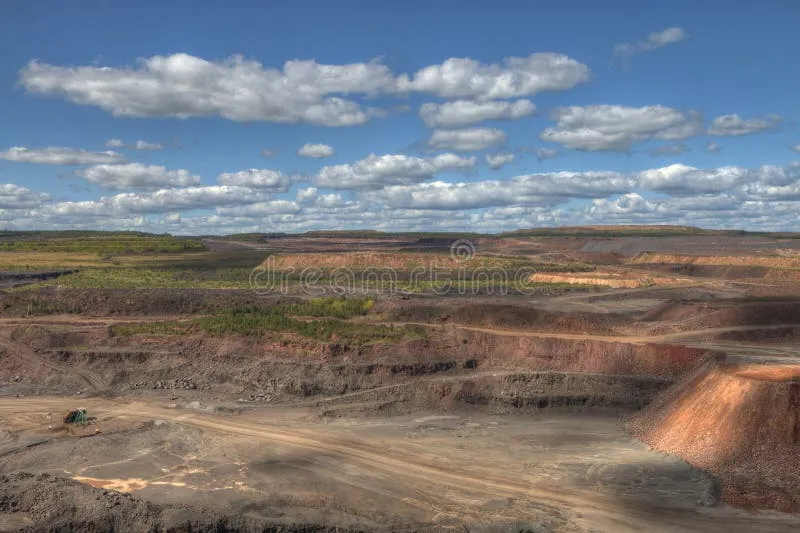 Photo: Hibbing, Minnesota, via thumbs.dreamstime.com
Hibbing chose a third option: they decided to move the whole town.
Over the next few years, residents methodically relocated 186 buildings — including a 2,700-ton high school — two miles south to a new townsite. Houses rolled down specially built roads on log rollers. The four-story Oliver Hotel made the journey intact, guests still checked in during the move. Even the cemetery relocated, though the dead traveled by more conventional means.
This wasn't a unique event in American history. It was just the most famous example of a practice that once defined American pragmatism: when a town didn't work where it was, you moved it somewhere better.
The Mechanics of Mass Migration
Moving a building in the 1800s was surprisingly straightforward, if not exactly simple. First, workers would dig beneath the foundation, inserting heavy wooden beams called "skids." Then they'd jack up the entire structure, sliding log rollers underneath.
Teams of oxen, horses, or later steam-powered winches would slowly drag buildings to their new locations. A typical house might move a few hundred feet per day. Larger structures required more elaborate engineering — temporary bridges, reinforced roads, sometimes even custom-built railroad tracks.
The process demanded community coordination that modern Americans can barely imagine. Everyone had to agree on where the town was going, when the move would happen, and how costs would be shared. Neighbors helped neighbors. Local businesses stayed open during the transition, following their customer base down muddy roads.
When Railroads Rewrote the Map
Many town moves were triggered by the railroad boom of the late 1800s. When rail companies announced new routes, entire communities would pack up and relocate to be closer to the tracks. Being bypassed by the railroad was economic death — so towns chased the steel rails like settlers following the frontier.
In Kansas alone, dozens of communities relocated themselves when the railroad chose different paths than expected. Oketo moved three miles to reach the railroad. Randall relocated twice, chasing different rail lines. Some towns moved so often that old-timers joked about keeping their foundations on wheels.
The town of Pep, New Mexico, made perhaps the most extreme railroad chase in American history. When the Santa Fe Railway built through the area in 1925, Pep's 200 residents loaded their entire town onto railcars and moved it 20 miles to be next to the new tracks. Houses, businesses, even the school made the journey by train.
Engineering Ambition
Some moves defied all logic and physics. In 1930, the town of English, Indiana, relocated their entire main street — 22 buildings — to escape chronic flooding. The move required building a temporary bridge across a creek and reinforcing the roadway to handle buildings weighing up to 100 tons.
The most audacious move might have been in Seattle, where the entire Denny Hotel — a massive five-story brick building — was relocated in 1906. The 2,800-ton structure traveled on rails, inching through the city streets over several weeks while guests continued to stay in their rooms.
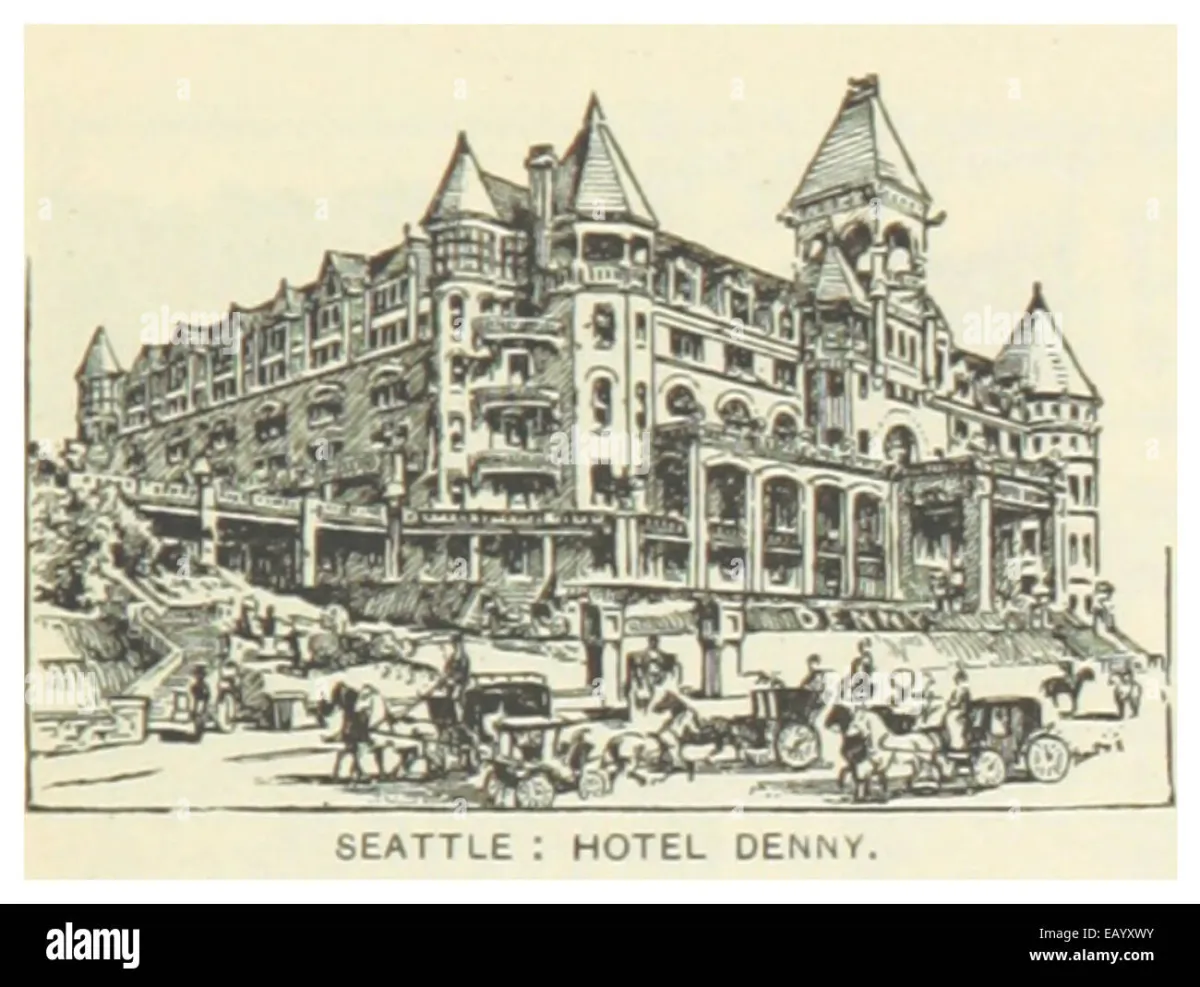 Photo: Denny Hotel, via c8.alamy.com
These moves required engineering ingenuity that rivaled any modern construction project. Workers had to calculate load distributions, design temporary foundations, and coordinate logistics that would challenge today's project managers. They did it all with hand tools, animal power, and an optimistic belief that any problem could be solved with enough determination.
The Death of Practical Mobility
By the mid-20th century, the practice of moving entire towns had virtually disappeared. Several factors killed this uniquely American tradition:
Modern buildings became too heavy and complex to move easily. Steel-frame construction, concrete foundations, and integrated utility systems made relocation prohibitively expensive.
Federal infrastructure investment reduced the pressure to move. When the government started building highways, bridges, and flood control systems, it became easier to improve a location than to abandon it.
Legal complexity increased dramatically. Modern zoning laws, environmental regulations, and building codes made town-scale moves legally nightmarish.
Perhaps most importantly, Americans lost the communal decision-making culture that made these moves possible. Modern communities struggle to agree on far simpler issues than relocating an entire town.
What We Lost When Towns Stopped Moving
The death of community relocation represents more than just a change in engineering practices — it reflects a fundamental shift in how Americans think about place and permanence.
Our ancestors viewed towns as collections of people and relationships, not fixed geographical entities. If the land wasn't working, they'd find better land. If economic opportunities lay elsewhere, they'd chase them collectively.
Modern Americans have largely abandoned this fluid relationship with place. We're more likely to abandon failing communities than to reinvent them. We build in flood zones and fire-prone areas, then repeatedly rebuild in the same vulnerable locations rather than relocating to safer ground.
The Wisdom of Wandering
Climate change and economic disruption are forcing new conversations about community resilience. Some modern towns are rediscovering the wisdom of strategic relocation. Soldiers Grove, Wisconsin, moved its entire downtown out of a flood plain in the 1970s. Several Alaskan villages are planning relocations to escape rising sea levels.
But these modern moves lack the casual confidence of their historical predecessors. What once seemed like obvious problem-solving now requires years of studies, environmental impact assessments, and federal funding.
Perhaps it's time to remember the lesson of Hibbing, Minnesota, and dozens of other communities that refused to accept geographic destiny. Sometimes the best way forward is to load everything on wheels and roll toward better ground.
In an era when we're told that adaptation requires high-tech solutions and massive infrastructure investments, the story of America's mobile towns suggests a different approach: sometimes the most sophisticated response to change is simply the willingness to change location.