The Housewife Spies: When Ordinary Americans Became the Government's Secret Eyes and Ears
The Volunteers Who Read Your Mail
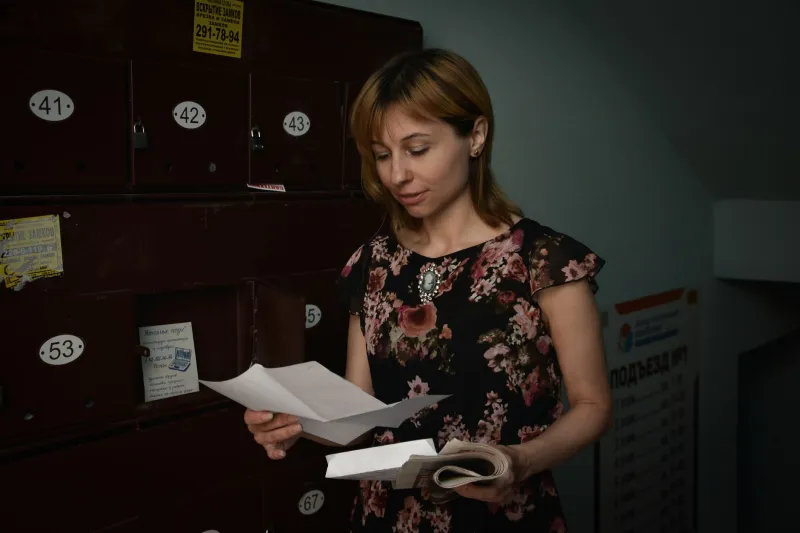
In a nondescript office building in downtown Chicago, Margaret Thompson spent her Tuesday afternoons in 1943 reading other people's love letters. She wasn't a government employee or a trained spy—she was a housewife from Evanston who'd answered a cryptic newspaper ad asking for "patriotic volunteers with keen attention to detail."
What Margaret and thousands of Americans like her were doing was perfectly legal, completely secret, and absolutely essential to the war effort. They were the backbone of America's most unusual intelligence operation: a vast network of civilian mail censors who turned ordinary citizens into the government's eyes and ears.
The Hidden War in Every Mailbox
While soldiers fought overseas, a different kind of battle was being waged in American post offices. Enemy agents were suspected of using the U.S. mail system to communicate with contacts abroad, hiding coded messages in seemingly innocent correspondence. The challenge was enormous: how do you monitor millions of pieces of mail without creating a massive government bureaucracy?
The solution was brilliantly simple and slightly terrifying: recruit volunteers.
The Office of Censorship, established just weeks after Pearl Harbor, quietly began placing classified ads in newspapers across the country. They sought "detail-oriented individuals" for "confidential work of national importance." No experience required. No salary offered. Just an opportunity to serve your country by reading other people's private correspondence.
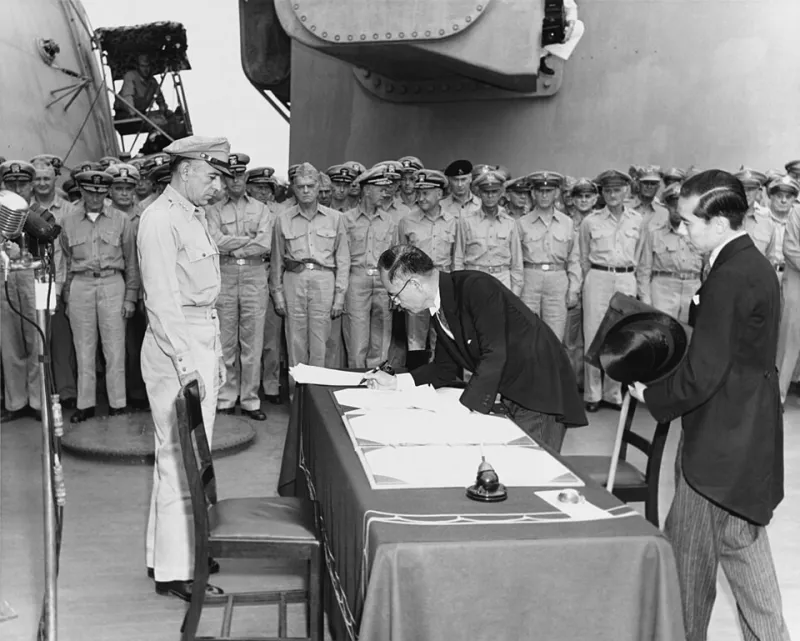
 Photo: Pearl Harbor, via www.pearlsonly.com.au
Thousands responded.
Training Ordinary People to Spot the Extraordinary
The volunteers came from every walk of life: retired teachers, housewives, college students, and shop clerks. What united them was curiosity, patriotism, and an ability to keep secrets. They underwent surprisingly sophisticated training in a world most had never imagined.
Instructors taught them to recognize invisible ink (heat a letter gently and watch for hidden text to appear), to spot mathematical codes disguised as business transactions, and to identify suspicious patterns in seemingly random correspondence. They learned that enemy agents might hide messages in the spacing between words, the capitalization of certain letters, or even the way stamps were positioned on envelopes.
One training manual warned volunteers to watch for letters discussing "aunt's health" or "garden conditions"—common euphemisms for military intelligence. Another taught them to recognize when grocery lists contained too many specific quantities, potentially indicating troop movements or supply information.
The Surprising Science of Civilian Intelligence
What made this system work wasn't just patriotic enthusiasm—it was the power of distributed pattern recognition. While a single trained agent might miss subtle coded communications, thousands of volunteers reading different types of mail created an incredibly sensitive detection network.
Housewives proved particularly effective at spotting unusual relationship patterns in personal correspondence. Teachers excelled at identifying grammatical anomalies that might indicate non-native speakers. Retired accountants caught mathematical irregularities in business letters that trained intelligence officers overlooked.
The volunteers developed an almost intuitive sense for suspicious correspondence. They learned to trust their instincts when something felt "off" about a letter, even if they couldn't articulate exactly why.
The Secrets They Carried
Perhaps most remarkably, these civilian censors kept their work almost completely secret—not just during the war, but for decades afterward. Unlike veterans who could share war stories, mail censors were sworn to lifelong secrecy about their service.
Margaret Thompson never told her children what she did during the war. Her husband knew she volunteered for "government work," but never learned the details. When she died in 1987, her family found a small wooden box in her attic containing her censor training materials and a commendation letter from the Office of Censorship—the first indication anyone had of her secret service.
This pattern repeated across the country. Thousands of Americans carried these secrets to their graves, creating a massive gap in our understanding of wartime domestic intelligence operations.
The Uncomfortable Questions
The civilian mail censorship program raises troubling questions about privacy and government surveillance that feel remarkably contemporary. These volunteers were reading private correspondence from American citizens—love letters, family updates, business communications—looking for threats that may or may not have existed.
Unlike modern digital surveillance, this was intensely personal. Volunteers knew the names, addresses, and intimate details of the people whose mail they read. They learned about affairs, financial troubles, family disputes, and personal secrets that had nothing to do with national security.
Yet most participants believed deeply in the importance of their work. They saw themselves as protecting democracy by sacrificing privacy—a trade-off that continues to define American security policy today.
The Network That Disappeared
When the war ended, this massive civilian intelligence network simply vanished. Training materials were destroyed, volunteer lists were classified, and participants were instructed to never discuss their service. Within months, one of the largest domestic surveillance operations in American history had been erased from public memory.
Unlike other wartime programs that transitioned into peacetime agencies, civilian mail censorship was considered too invasive for normal times. The volunteers returned to their regular lives, carrying their secrets and their skills back into American communities.
The Legacy Hidden in Plain Sight
Today, as we debate digital privacy and government surveillance, it's worth remembering that ordinary Americans once volunteered to spy on their neighbors' mail. They did it openly, legally, and with genuine patriotic conviction.
The program's success demonstrated both the power and the danger of turning citizens into intelligence assets. It showed how quickly privacy norms could be suspended during crisis, and how effectively a democratic society could mobilize civilian resources for national security.
Most unsettling of all, it revealed how easily thousands of Americans could keep a massive secret for decades—making us wonder what other hidden histories might be sitting in attic boxes, waiting to be discovered by the next generation.