The Warnings Were Already on the Map: How Indigenous Place Names Predicted Centuries of American Disasters
Photo: Davric, CC BY-SA 4.0, via Wikimedia Commons
There's a particular kind of frustration that comes from learning that a disaster was preventable — that the information existed, that someone had already figured it out, and that the warning was simply ignored. That frustration gets considerably sharper when you realize the warning wasn't buried in a technical report or locked in an archive. It was sitting right there in the name of the place.
Across the American landscape, hundreds of Indigenous place names turn out to have been precisely accurate descriptions of environmental hazards. Names that translated to things like "the ground that moves," "where the water always returns," or "valley of the shaking earth" weren't poetic metaphors. They were the distilled conclusions of communities that had watched the same land for generations and encoded what they'd learned into language so that nobody who came after them would have to relearn it the hard way.
European settlers, by and large, didn't speak the languages. And even when translations were available, the names were usually replaced anyway.
Reading the Land in a Different Language
Indigenous place-naming traditions across North America operated on a fundamentally different logic than European cartographic conventions. Where European settlers tended to name places after people, saints, or the towns they'd left behind, many Indigenous naming systems described the land itself — its character, its behavior, its history. A place wasn't named for who owned it or who discovered it. It was named for what it did.
This approach produced a kind of distributed environmental database. A community living in a river valley for five hundred years would witness multiple flood cycles, remember the high-water marks, and encode that memory into the name of the place. The next generation didn't need to experience the flood themselves — the name told them what the river was capable of.
When outsiders arrived and renamed the landscape, they weren't just making an administrative decision. They were erasing a layer of hard-won ecological knowledge that had no equivalent in the cartographic traditions they brought with them.
Specific Warnings, Specific Disasters
The examples aren't hard to find once you start looking.
In the Pacific Northwest, several locations with Chinook or Salish names referencing shaking ground or unstable earth sit directly on fault lines or in areas with documented liquefaction risk. The 1700 Cascadia Subduction Zone earthquake — one of the largest in recorded North American history — was actually confirmed in part through Indigenous oral traditions that described the event with remarkable accuracy. The oral accounts weren't treated as credible historical sources for a very long time. Geologists eventually caught up.
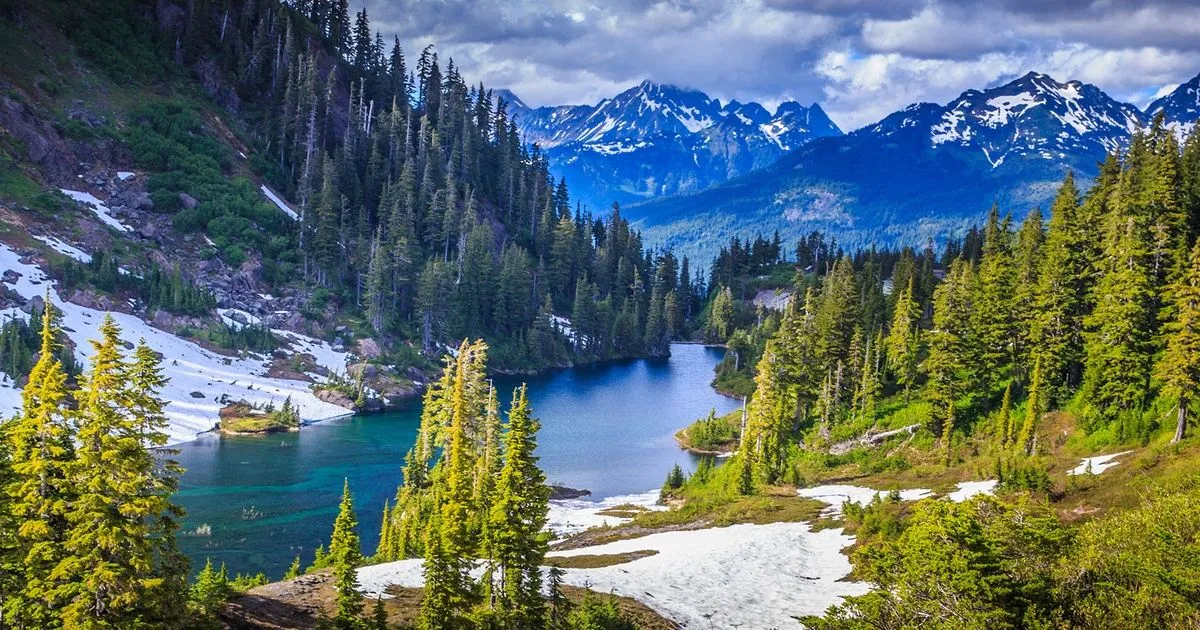 Photo: Pacific Northwest, via process.filestackapi.com
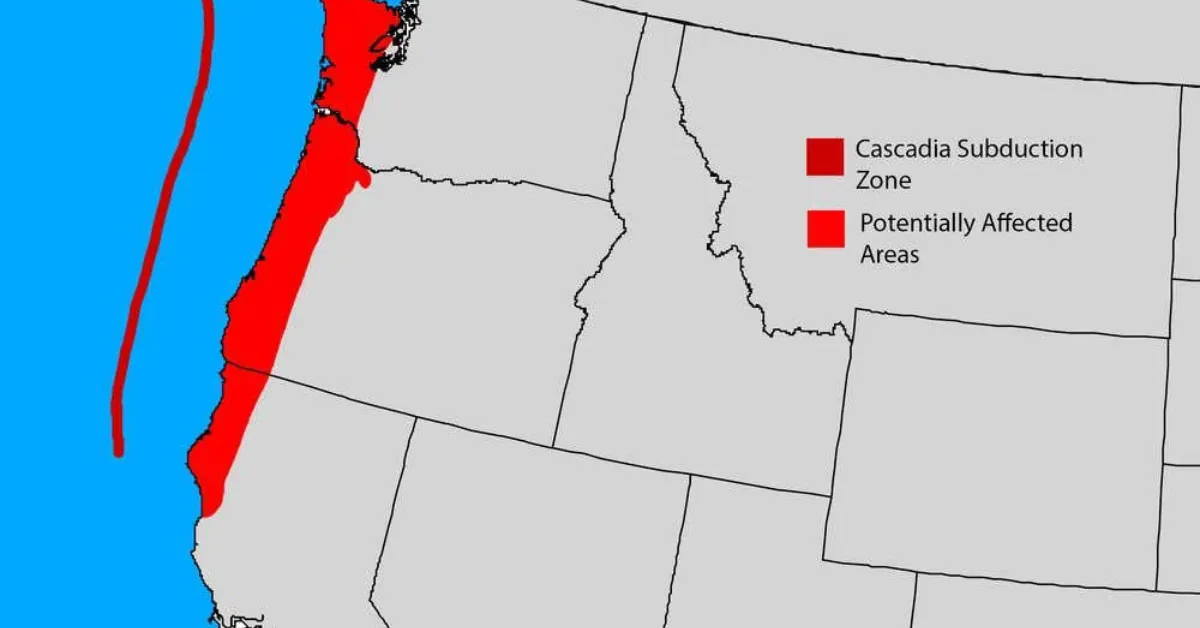 Photo: Cascadia Subduction Zone, via www.activenorcal.com
In the Mississippi River basin, numerous Indigenous names for specific bends, oxbows, and bottomlands translated to phrases indicating periodic inundation. Towns built on those spots in the 19th century flooded repeatedly, sometimes catastrophically. The Army Corps of Engineers spent enormous resources in the 20th century trying to solve problems that, in some cases, the original place names had quietly flagged centuries earlier.
In California, the Ohlone and other coastal peoples used names for certain valley areas that indicated seasonal flooding or unstable ground. Some of those areas are now expensive real estate with persistent drainage problems that confound modern engineers. The land is behaving exactly as advertised — the advertisement just got translated out of existence.
The Renaming Problem
The systematic replacement of Indigenous place names accelerated dramatically through the 18th and 19th centuries, driven by a combination of settlement expansion, deliberate cultural erasure, and simple practical convenience. Settlers needed names they could spell, pronounce, and put on deeds.
What got lost in that process wasn't just cultural heritage — though it was certainly that. It was also functional information. Geographers and historians who have worked to recover original place names in various regions have noted with some frequency that the Indigenous names, when translated, describe the landscape with a specificity that European names simply don't attempt.
A place called "Springfield" or "Millbrook" tells you almost nothing about what the ground does during a wet year. A name that translates to "the meadow that drinks the river" tells you quite a lot.
What We're Starting to Recover
The good news — if there is good news in a story largely defined by ignored warnings — is that some of this knowledge is being actively recovered. Tribal nations across the country have been working for decades to restore original place names, and that work increasingly intersects with environmental science and hazard planning.
Geologists studying the Cascadia fault have collaborated with Indigenous communities whose oral traditions contain the most detailed firsthand accounts of past mega-earthquakes in the region. Hydrologists in the Great Plains have consulted with tribal historians to understand pre-settlement flood patterns that predate any written records. In some cases, the Indigenous knowledge isn't just historically interesting — it's the most accurate data set available.
The landscape was always trying to tell us something. The instructions were already written. They just happened to be written in a language that the people drawing the new maps didn't bother to learn.