Frozen Gold: The Farmer-Run Cold Chain That Kept America Cool Before Anyone Built a Factory to Do It
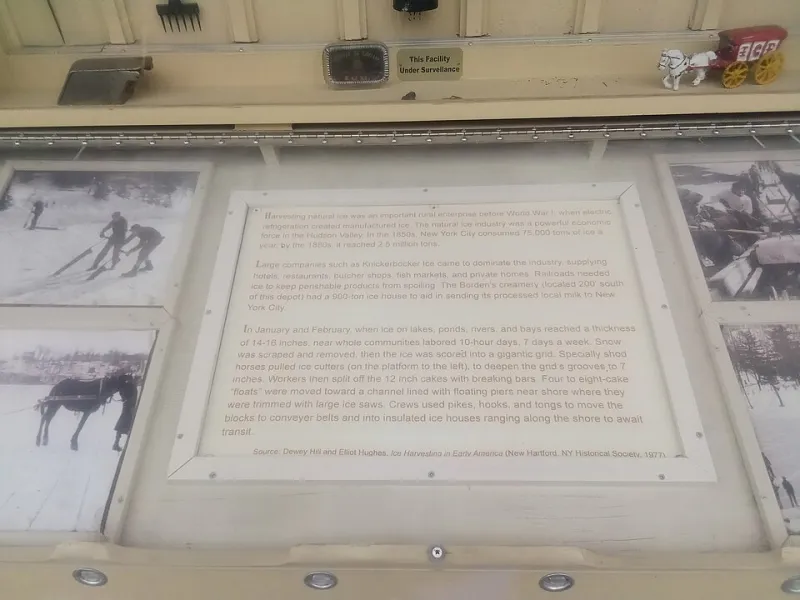
Photo: DanTD, CC BY-SA 4.0, via Wikimedia Commons
Sometime in January, on a pond in central Massachusetts or upstate New York or rural Maine, a farmer would walk out onto the ice, drill a test hole, measure the thickness, and decide: it was time. The horses got fitted with special spiked shoes for traction. The long-handled saws came out of storage. And for the next several weeks, the pond became a factory floor — one that would keep a city's butter fresh and a wealthy family's drinks cold well into August.
This was America's original refrigeration industry, and almost none of the people who built it got credit for doing so.
The Pond Was the Product
The commercial ice harvest in the United States traces its roots to the early 1800s, when a Boston entrepreneur named Frederic Tudor — history's designated hero of this story — began shipping New England pond ice to warmer climates. Tudor gets the headline because he was aggressive, promotional, and left a paper trail. But the actual infrastructure that made his vision work, and the infrastructure that sustained the broader ice economy for decades after him, was built and operated largely by rural farming families who have been almost entirely written out of the popular account.
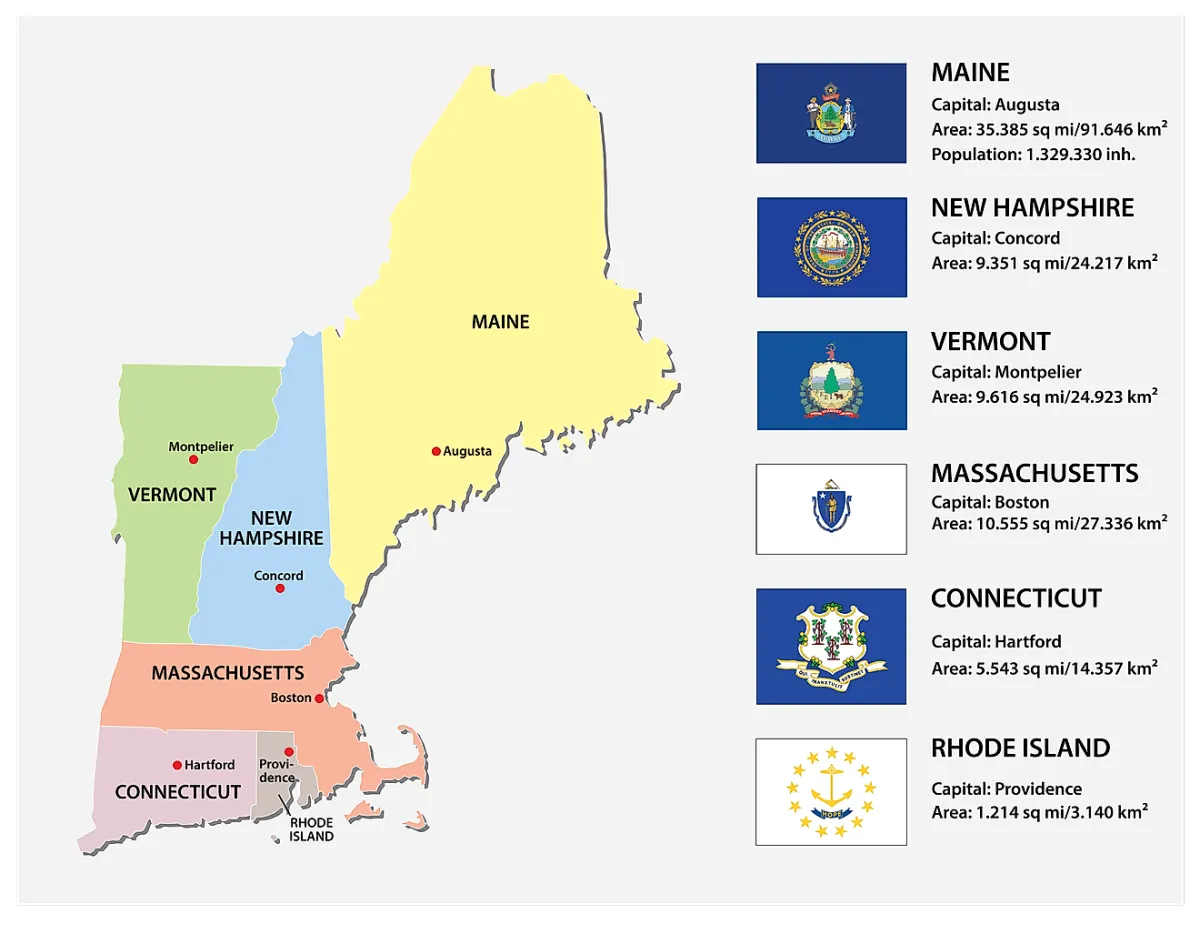 Photo: New England, via www.worldatlas.com
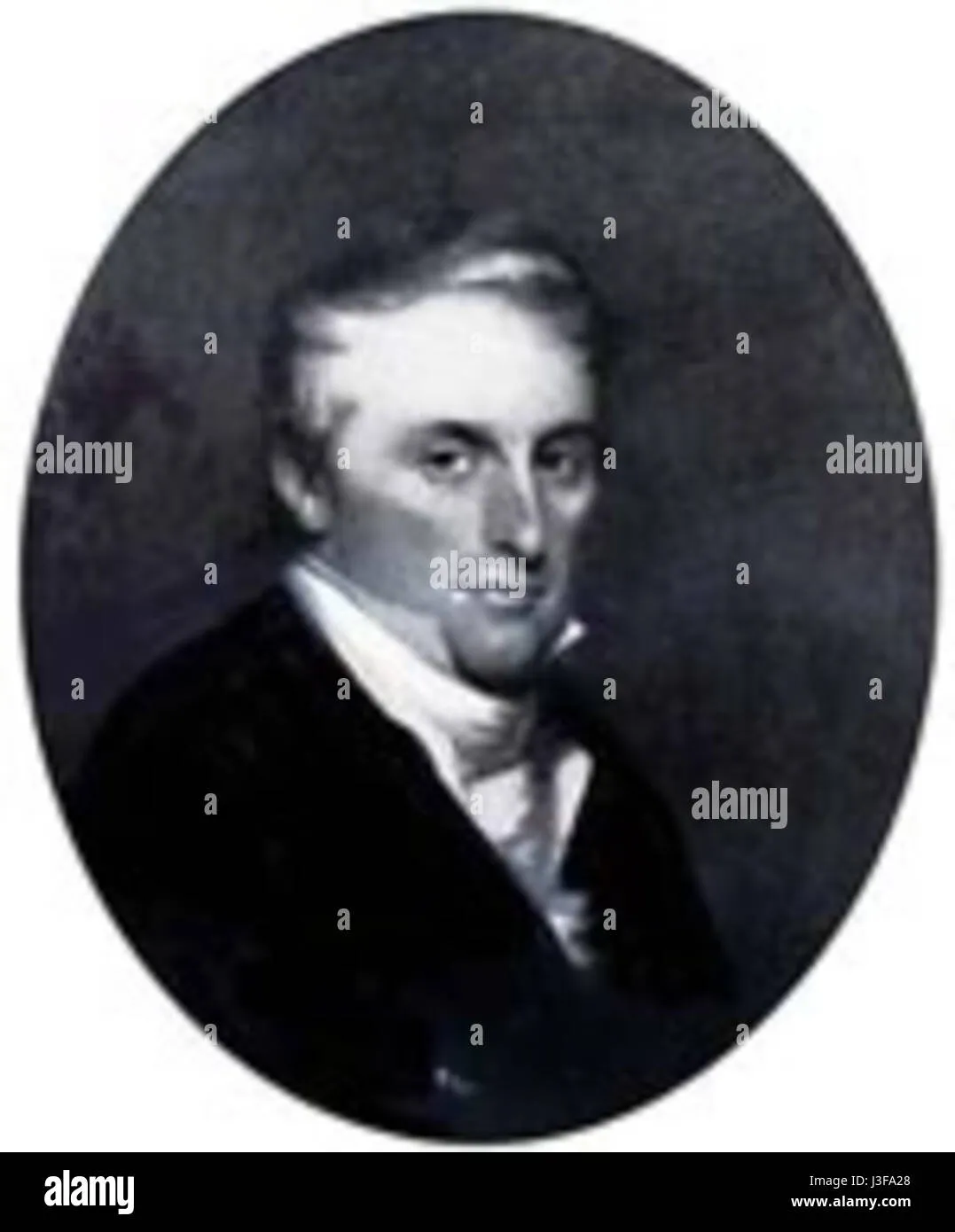 Photo: Frederic Tudor, via c8.alamy.com
The mechanics of the harvest were genuinely impressive. Farmers would score the pond surface in a grid pattern using horse-drawn marking tools — essentially large-toothed rakes that cut parallel lines across the ice. Then came the saws, working along those lines to cut the surface into uniform blocks, typically around 22 inches square and 18 to 24 inches thick. Horses dragged the blocks along channels cut in the ice toward a shore ramp, where they were loaded onto sleds and hauled to the icehouse.
The whole operation required coordination, physical endurance, and a working knowledge of ice quality that took years to develop. Not all ice was equal. Cloudy ice, formed quickly, was weaker and melted faster. Clear ice, formed slowly during sustained cold, was the premium product — denser, longer-lasting, and worth significantly more per ton.
The Insulation Problem They Solved Without Engineers
Getting the ice cut was only half the challenge. Keeping it from melting before it reached a customer in Philadelphia or Baltimore or New York in July was the other half — and the solution these farming communities developed was elegantly low-tech.
Sawdust was the key material. Readily available from local mills and nearly worthless as a commodity, sawdust turned out to be a remarkably effective thermal insulator. Packed around and between ice blocks in an icehouse — typically a double-walled structure, sometimes partially underground, with a thick roof — it slowed heat transfer dramatically. A well-built icehouse stocked in January could still be delivering usable ice in September.
Straw served a similar function and was often layered with sawdust for additional effect. The icehouses themselves were engineering achievements in their own right: some were built into hillsides to take advantage of earth's natural insulating properties, others were constructed with air gaps between inner and outer walls that functioned like an early version of the insulated wall cavities we build today.
Farmers figured this out through trial, error, and the kind of accumulated seasonal knowledge that comes from watching your product turn into water and adjusting accordingly. No thermodynamics textbooks required.
A Supply Chain Built on Handshakes
By the mid-1800s, the ice economy was substantial. Estimates suggest that by the 1880s, New England alone was harvesting millions of tons of ice annually, and the distribution network stretched from Maine to the Gulf Coast and, via ship, as far as India and South America. The supply chain that moved all that frozen water involved farmers, teamsters, railroad operators, urban ice dealers, and the households and businesses at the end of the line — restaurants, meatpackers, hospitals, breweries, and the rapidly growing middle class, for whom a household icebox was becoming a marker of modern domestic life.
Most of the farmers operating in this system weren't wealthy. Ice harvesting was seasonal income that supplemented what the land produced in warmer months. A good harvest year on a reliable pond could mean the difference between financial stability and a difficult winter. Communities organized informally around shared ponds, with local norms governing who could harvest when and how disputes over prime cutting areas got resolved.
It was, in other words, a genuine grassroots economy — distributed, locally managed, and surprisingly resilient.
How the Story Got Rewritten
Mechanical ice-making technology began appearing in the 1860s and expanded rapidly after the Civil War. By the 1890s, industrial ice companies operating artificial ice plants in cities were beginning to compete seriously with the natural ice trade. By the 1920s, the natural harvest was in steep decline.
The transition wasn't just technological. It was also narrative. Industrial ice companies had strong commercial incentives to position their product as modern, scientific, and hygienic — and to position natural pond ice as primitive, unreliable, and potentially contaminated. Marketing campaigns and trade publications pushed this framing aggressively, and it largely worked. The grassroots ice economy got recast as a quaint precursor rather than a sophisticated system.
The farmers who had built and sustained that system didn't write memoirs or fund historical preservation efforts. Their icehouses rotted. Their ponds went back to being just ponds. And the story of American refrigeration got told as a story about industrial innovation rather than agricultural ingenuity.
What the Ice Cutters Understood
Here's what gets lost in the factory-first version of refrigeration history: the rural ice economy worked. For decades, it reliably moved a perishable product across enormous distances, kept food safe, enabled industries, and supported rural livelihoods — all without electricity, mechanical compressors, or corporate logistics departments.
The farmers who ran it understood cold, understood insulation, and understood supply chains in ways that were entirely self-taught and entirely practical. They solved a genuinely hard problem with the materials at hand and the knowledge they'd built season by season.
The pond is still there. The icehouse is long gone. But the ingenuity that filled it deserves to be remembered.