Unearthed Post Discover what history forgot to mention.

Unearthed Post

Discover what history forgot to mention.

Latest Articles

The Warnings Were Already on the Map: How Indigenous Place Names Predicted Centuries of American Disasters
Culture

The Warnings Were Already on the Map: How Indigenous Place Names Predicted Centuries of American Disasters

Long before FEMA flood maps or seismic surveys, Indigenous communities across North America embedded thousands of years of environmental observation directly into the names of places. Settlers renamed those places, built towns on them anyway, and then acted surprised when the water came back.
Degrees to Dust: The Hundreds of American Colleges That Disappeared Before Anyone Could Stop Them
Culture

Degrees to Dust: The Hundreds of American Colleges That Disappeared Before Anyone Could Stop Them

Before the modern university system took shape, hundreds of small American colleges opened their doors with enormous ambition — and quietly closed them within a generation. These weren't failures so much as forgotten experiments, and some of their campuses are still out there if you know where to look.

The Ordinary Buildings That Were Actually Listening to the Entire World
Tech & Culture

The Ordinary Buildings That Were Actually Listening to the Entire World

They looked like radio stations, storage facilities, or just unremarkable office buildings. But scattered across suburban America during the Cold War, hundreds of nondescript structures were quietly intercepting foreign signals, tracking atmospheric disturbances, and feeding intelligence to agencies most Americans had never heard of. Many of those buildings are still standing today.

The Back-Porch Grocery Store You Never Knew Your Neighbors Were Running
Culture

The Back-Porch Grocery Store You Never Knew Your Neighbors Were Running

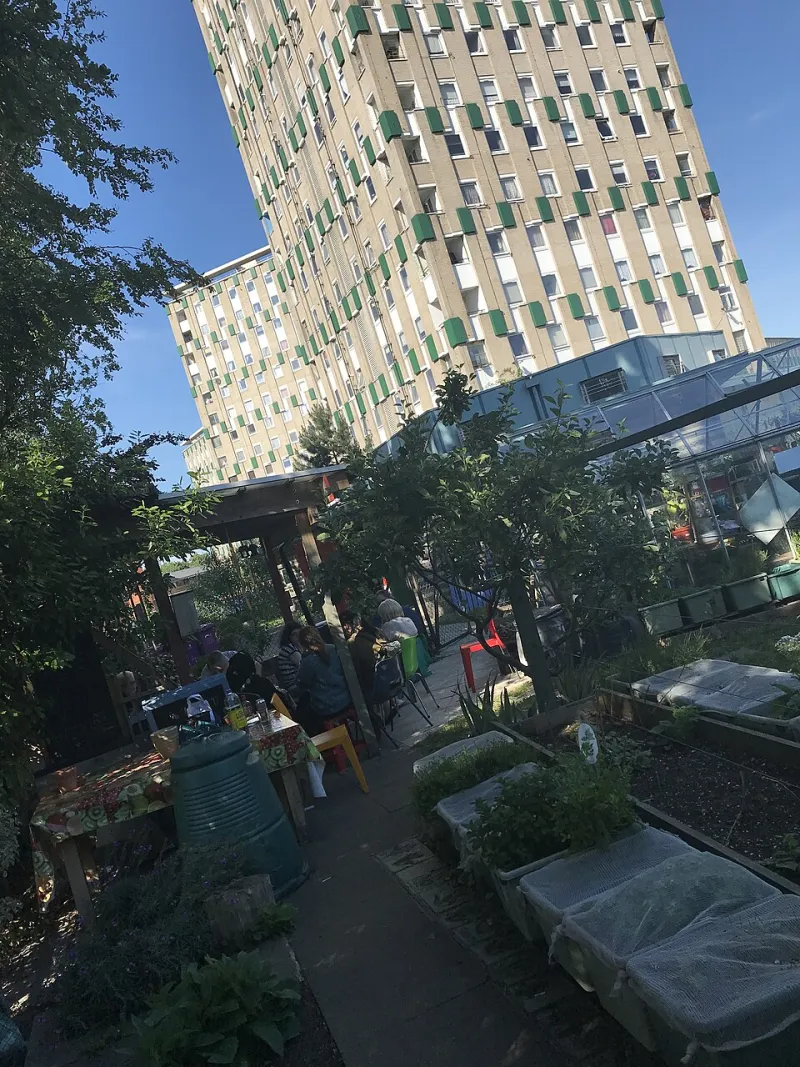
Long before anyone coined the term 'food desert,' communities across America were quietly solving the problem themselves — through church basements, kitchen windows, and informal trading networks that kept families fed when the mainstream market refused to show up. The system never made the news. It didn't need to.

Dots, Dashes, and Inside Jokes: The Secret Language America's Railroad Telegraphers Invented Before Texting Existed
Tech & Culture

Dots, Dashes, and Inside Jokes: The Secret Language America's Railroad Telegraphers Invented Before Texting Existed

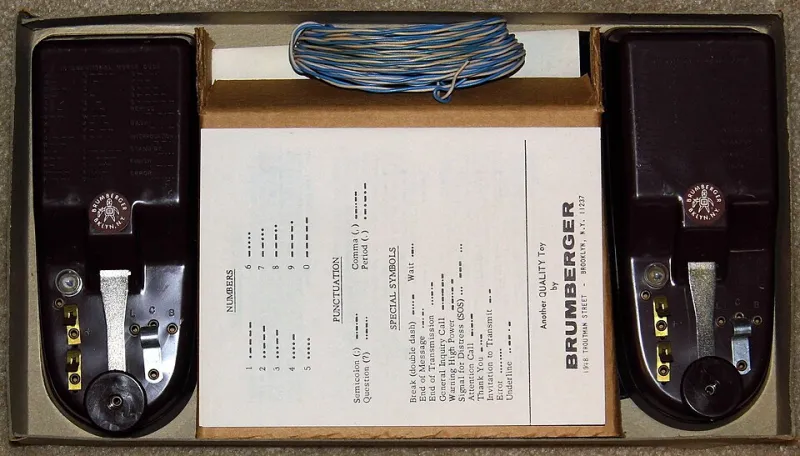
Long before anyone typed 'LOL' into a phone, Morse code operators strung across America's vast railroad network were inventing their own shorthand language — codes, abbreviations, and inside phrases that traveled coast to coast along copper wire. Linguists now consider it a direct ancestor of modern digital slang, and at least one of their inventions is still in daily use today.

What the River Was Saying: The Appalachian Flood Readers Who Knew Before the Gauges Did
Culture

What the River Was Saying: The Appalachian Flood Readers Who Knew Before the Gauges Did

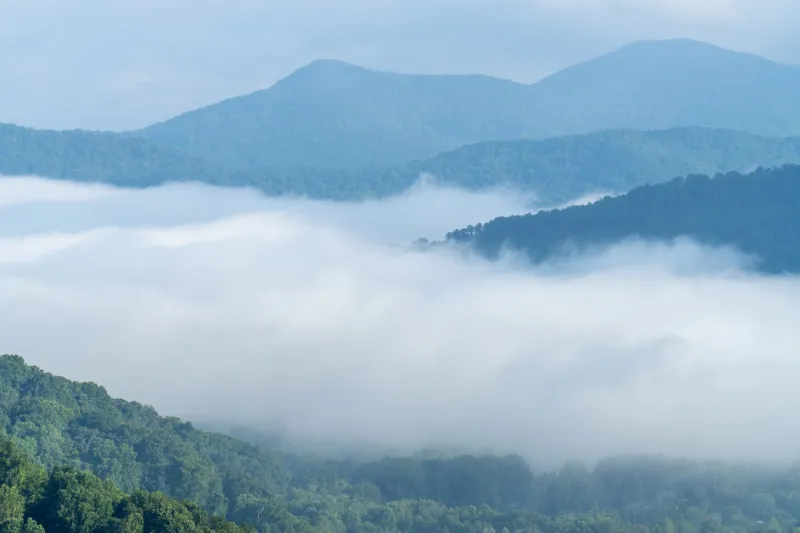
Before federal flood control systems existed, families living along Appalachian river valleys had already built something remarkable: a working early-warning network made entirely of observation, memory, and moss. These weren't superstitions — they were generations of empirical knowledge distilled into survival, and modern hydrologists are quietly paying attention.

Frozen Gold: The Farmer-Run Cold Chain That Kept America Cool Before Anyone Built a Factory to Do It
Culture

Frozen Gold: The Farmer-Run Cold Chain That Kept America Cool Before Anyone Built a Factory to Do It

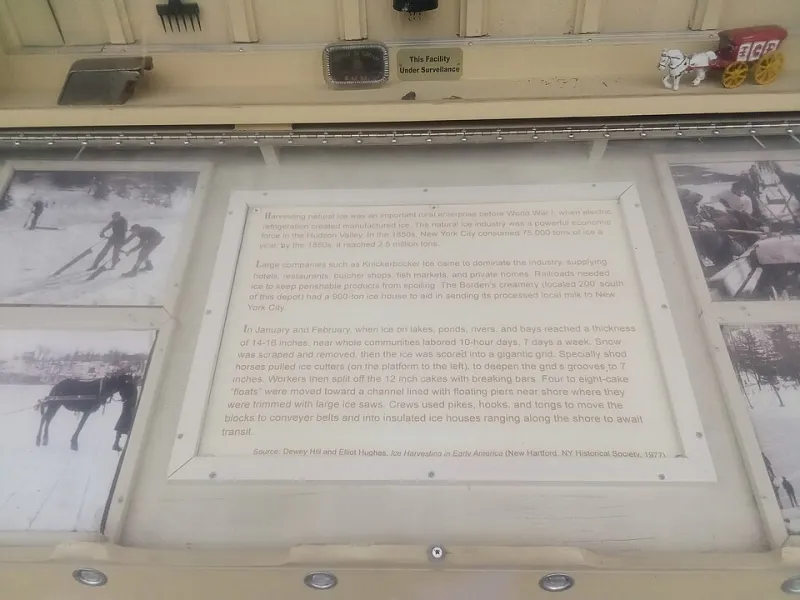
American refrigeration didn't begin in an industrial plant — it began on a frozen New England pond, managed by farm families with hand saws, horses, and a surprisingly sophisticated understanding of insulation. For decades before mechanical cooling existed, rural ice harvesters ran a grassroots cold supply chain that fed the nation's cities, and then big business spent years making sure you forgot they ever existed.

The Little Book That Mapped a Safer America: How Victor Green's Directory Became a Lifeline
Culture

The Little Book That Mapped a Safer America: How Victor Green's Directory Became a Lifeline

For thirty years, a Harlem postal worker published an annual travel guide that Black Americans trusted with their lives. The Green Book didn't just list friendly hotels and restaurants — it quietly documented a hidden geography of survival across a country where the wrong turn could be genuinely dangerous.

The Last Official Act: When American Towns Chose to Erase Themselves
Culture

The Last Official Act: When American Towns Chose to Erase Themselves

Most towns die slowly — businesses close, people leave, the tax base shrinks until the lights go out. But scattered across American history are communities that took a different path, holding formal votes to legally dissolve themselves rather than endure a long, undignified decline. Their empty courthouse squares still have something to say.

Shot Through the City: The Pneumatic Mail Rockets That Once Ran Under Manhattan
Tech & Culture

Shot Through the City: The Pneumatic Mail Rockets That Once Ran Under Manhattan

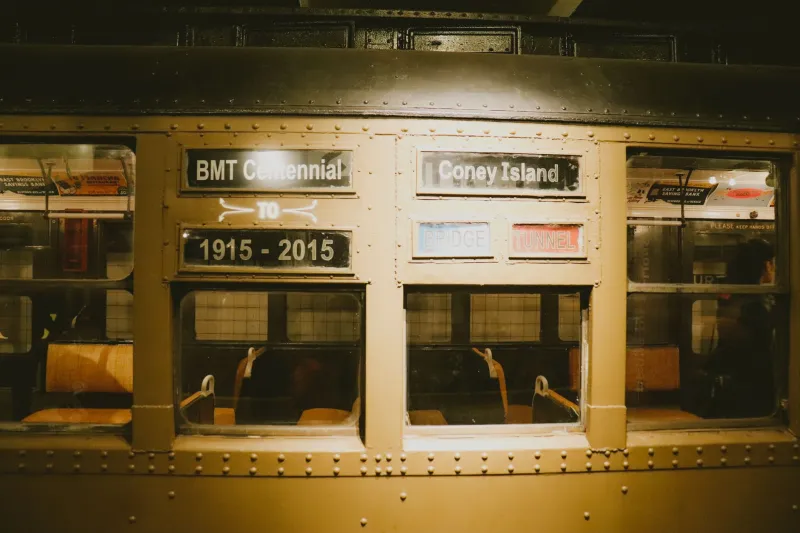
Long before overnight shipping, New York City ran an underground mail system that blasted canisters across Manhattan at 35 miles per hour. It nearly became the future of American communication — until politics, money, and a stubborn postal bureaucracy buried it for good.

Skin Deep Stories: How Traveling Tattoo Artists Became America's Unofficial Historians
Tech & Culture

Skin Deep Stories: How Traveling Tattoo Artists Became America's Unofficial Historians

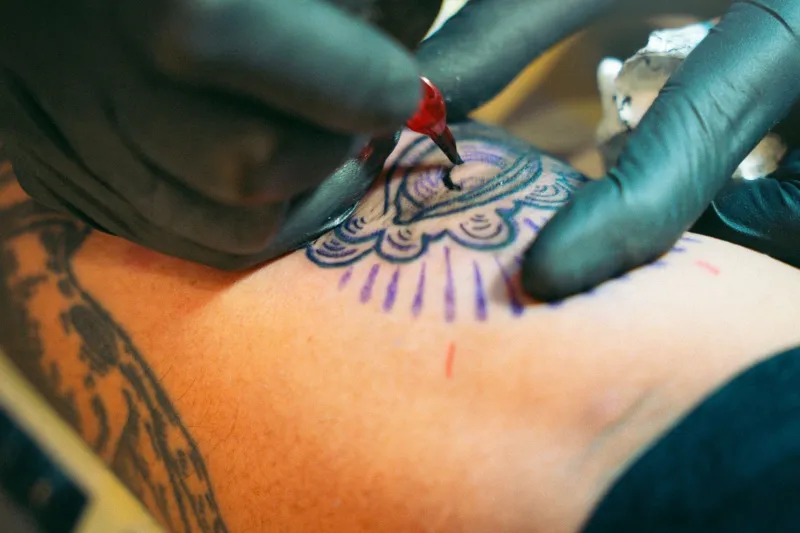
Before tattoos hit the mainstream, itinerant artists worked America's margins—ports, mining camps, and military bases—creating a visual record of working-class dreams and losses that no official historian bothered to document. Their needles wrote stories that museums are only now learning to read.

America's Sky Sentinels: The Solitary Lives of Fire Tower Watchmen
Culture

America's Sky Sentinels: The Solitary Lives of Fire Tower Watchmen

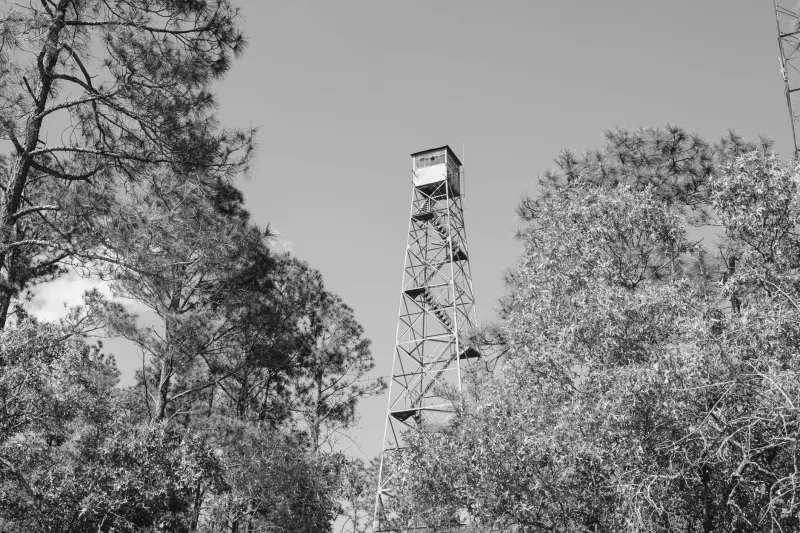
For most of the 20th century, thousands of Americans lived alone in glass towers perched on mountaintops, watching for the first wisps of smoke that could become devastating wildfires. Their isolation created an unexpected community of artists, writers, and philosophers.

When Your Local Grocer Was Your Safety Net: The Credit System That Fed America's Working Class
Culture

When Your Local Grocer Was Your Safety Net: The Credit System That Fed America's Working Class

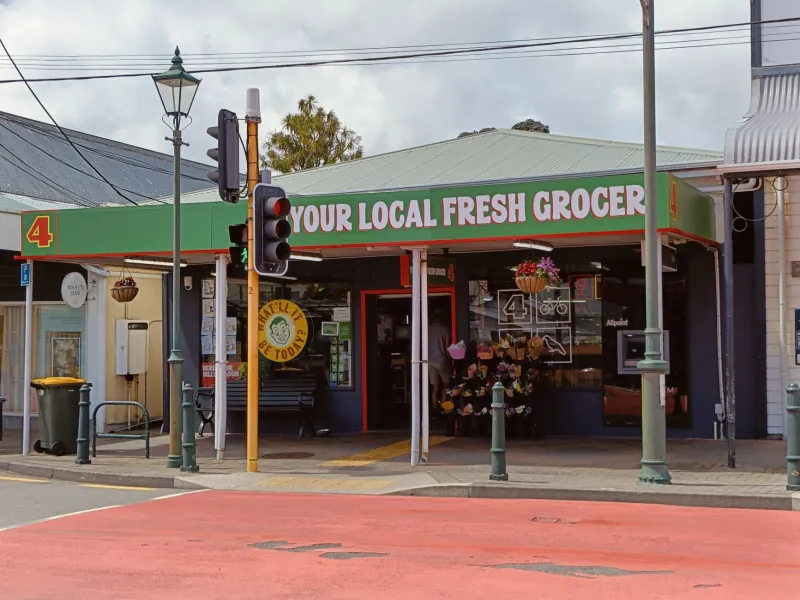
Before food stamps and credit cards, neighborhood grocery stores ran informal lending networks that kept families fed during tough times. These handwritten ledger systems created community bonds that supermarket chains couldn't replicate.

The Housewife Spies: When Ordinary Americans Became the Government's Secret Eyes and Ears
Culture

The Housewife Spies: When Ordinary Americans Became the Government's Secret Eyes and Ears

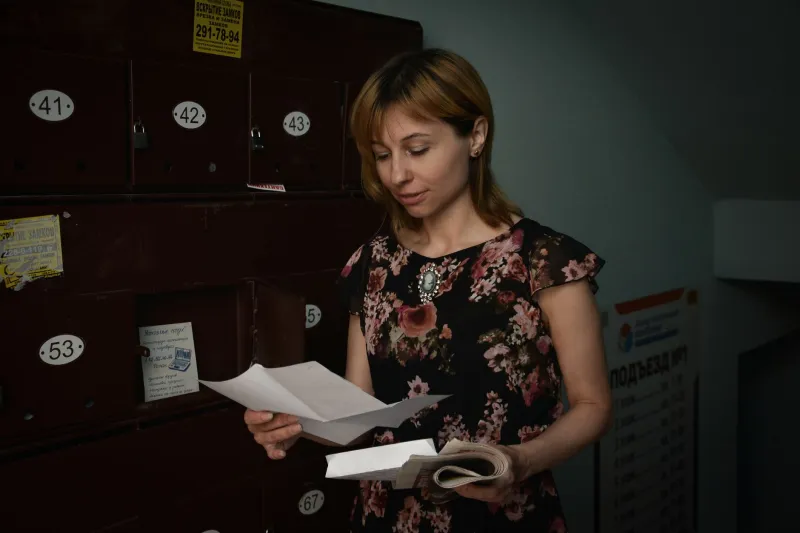
During wartime, thousands of everyday Americans volunteered to read other people's mail, searching for hidden enemy codes in love letters and grocery lists. This massive civilian surveillance operation was hiding in plain sight—and most participants never spoke about it again.

When Americans Could Diagnose Their Homes by Touch: The Lost Medical Art of House Whispering
Tech & Culture

When Americans Could Diagnose Their Homes by Touch: The Lost Medical Art of House Whispering

Before home inspectors existed, Americans used their senses like medical instruments—tapping walls for hollow sounds, smelling floorboards for rot, and pressing ears to beams to detect insect damage. These forgotten diagnostic techniques were surprisingly accurate and cost nothing but attention.

The Neighborhood Alchemists: When Your Local Soda Jerk Was Actually Your Family Doctor
Culture

The Neighborhood Alchemists: When Your Local Soda Jerk Was Actually Your Family Doctor

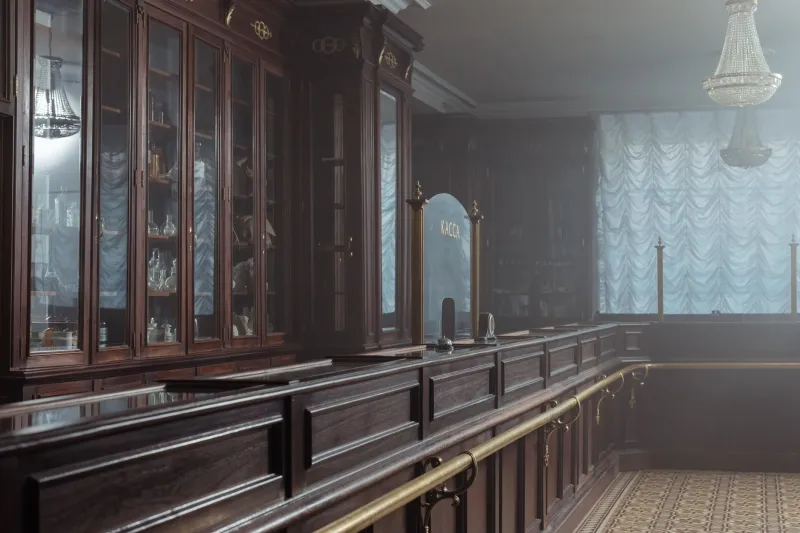
Before CVS and Walgreens took over every street corner, America's healthcare happened at marble-topped soda fountains where the person mixing your cherry Coke also mixed your cough syrup. These forgotten neighborhood pharmacists were part chemist, part bartender, and entirely essential to their communities.

The Great Plains Tree Experiment: When America Tried to Hack the Weather With Forests
Tech & Culture

The Great Plains Tree Experiment: When America Tried to Hack the Weather With Forests

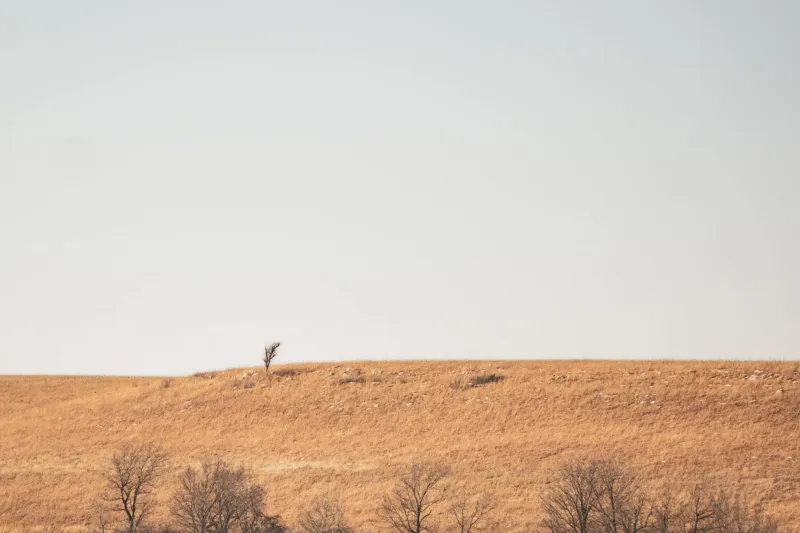
In the 1870s, Americans launched one of the boldest environmental experiments in history: planting millions of trees across the treeless Great Plains, convinced they could literally manufacture rainfall. Some of these phantom forests still stand today as monuments to ambitious miscalculation.

When Farmers Could Read the Sky Like a Book: America's Lost Art of Cloud Prophecy
Culture

When Farmers Could Read the Sky Like a Book: America's Lost Art of Cloud Prophecy

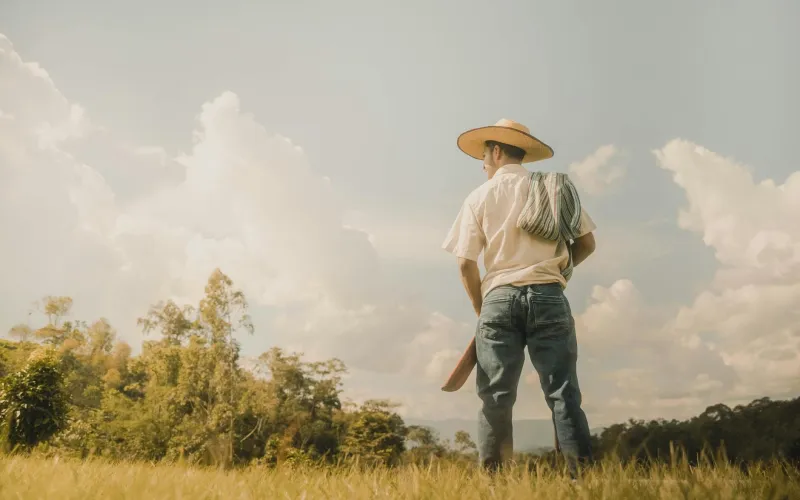
Before weather apps, American farmers developed sophisticated systems for predicting storms, droughts, and seasonal changes using cloud formations, animal behavior, and plant signals. Surprisingly, modern science has validated many of these seemingly superstitious practices.

What Your Great-Great-Grandmother's Gravestone Is Actually Trying to Say
Culture

What Your Great-Great-Grandmother's Gravestone Is Actually Trying to Say

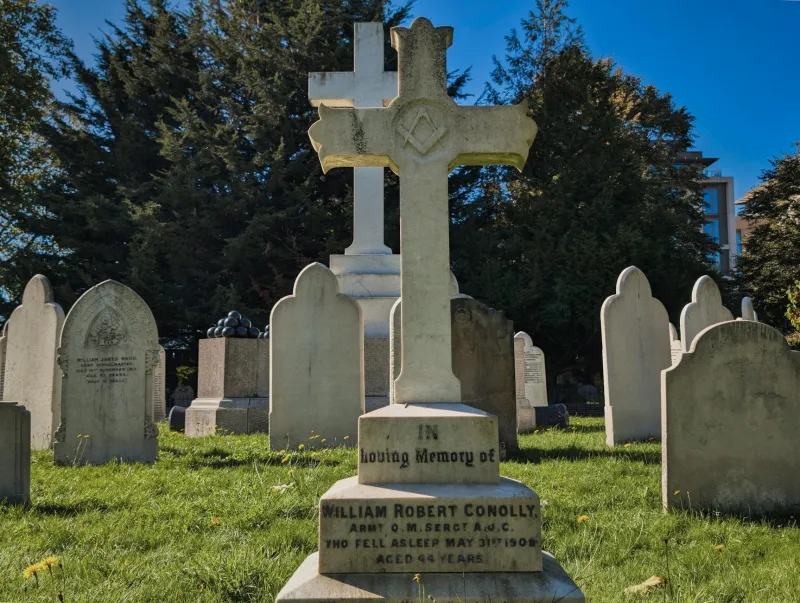
Walk through any old American cemetery and you're surrounded by a secret visual language most of us can no longer read. Those carved hands, flowers, and broken columns weren't just decoration—they were detailed biographical statements encoded in stone.

America's Secret Basement Revolution: When Families Carved Out Underground Kingdoms
Culture

America's Secret Basement Revolution: When Families Carved Out Underground Kingdoms

Between the 1930s and 1960s, thousands of American families quietly excavated elaborate underground rooms beneath their properties. These weren't bunkers—they were cozy living spaces that neighbors never knew existed.